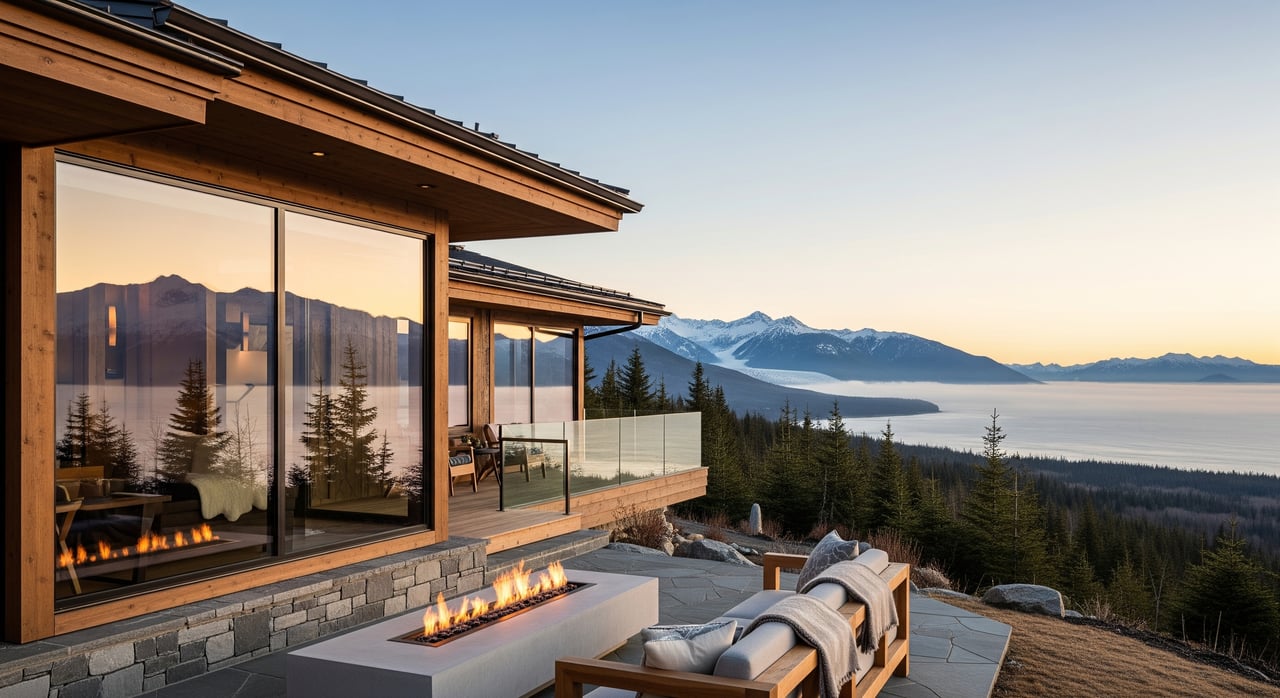
Dreaming of skiing laps before breakfast and biking forest trails after dinner? If you are drawn to a true mountain town, Girdwood delivers daily access to Alyeska Resort and miles of Chugach terrain. At the same time, you trade convenience for adventure, since many big-city services are in Anchorage and winter travel can be unpredictable. In this guide, you will learn how life in Girdwood really works, from commute realities and seasons to housing types and costs, so you can decide if a primary or second home fits your lifestyle. Let’s dive in.
Why Girdwood appeals
Girdwood is a small, mountain-oriented community within the Municipality of Anchorage. Local life centers on Alyeska Resort and the trails that web through Glacier Valley. You get a close-knit vibe, strong outdoor culture, and a service economy that runs hot in ski season and summer. Many residents live here year-round, while a sizable number own second homes and visit on weekends or during peak seasons.
Neighborhoods and housing types
Girdwood’s housing stock reflects its alpine roots. The feel changes as you move from the resort core to riverside pockets and hillside lots.
Near Alyeska core
Close to the lifts, you find condos and condo-style units that put you a short walk from the slopes. These are popular with skiers and riders who want easy access and with owners who use short-term rentals in peak seasons. Some buildings carry higher HOA fees, often tied to shared amenities and maintenance. Always review HOA rules carefully, especially around short-term rentals and pet policies.
Cabins, chalets, and A-frames
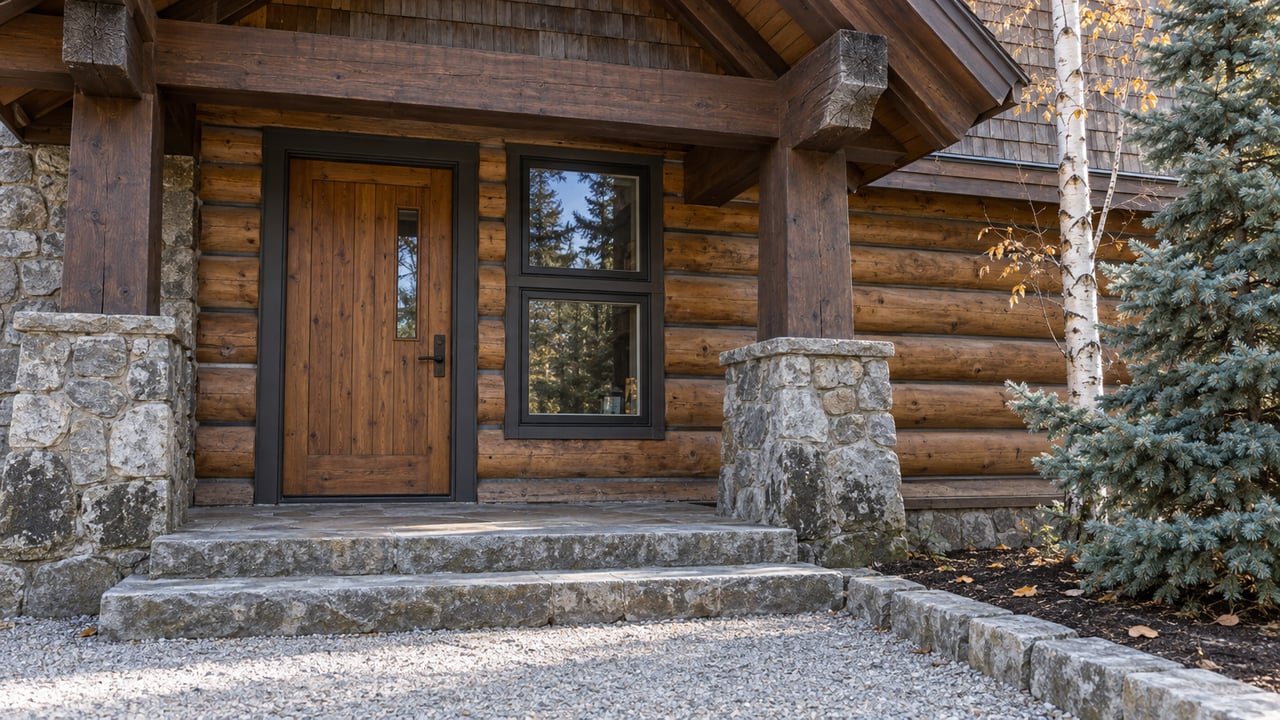
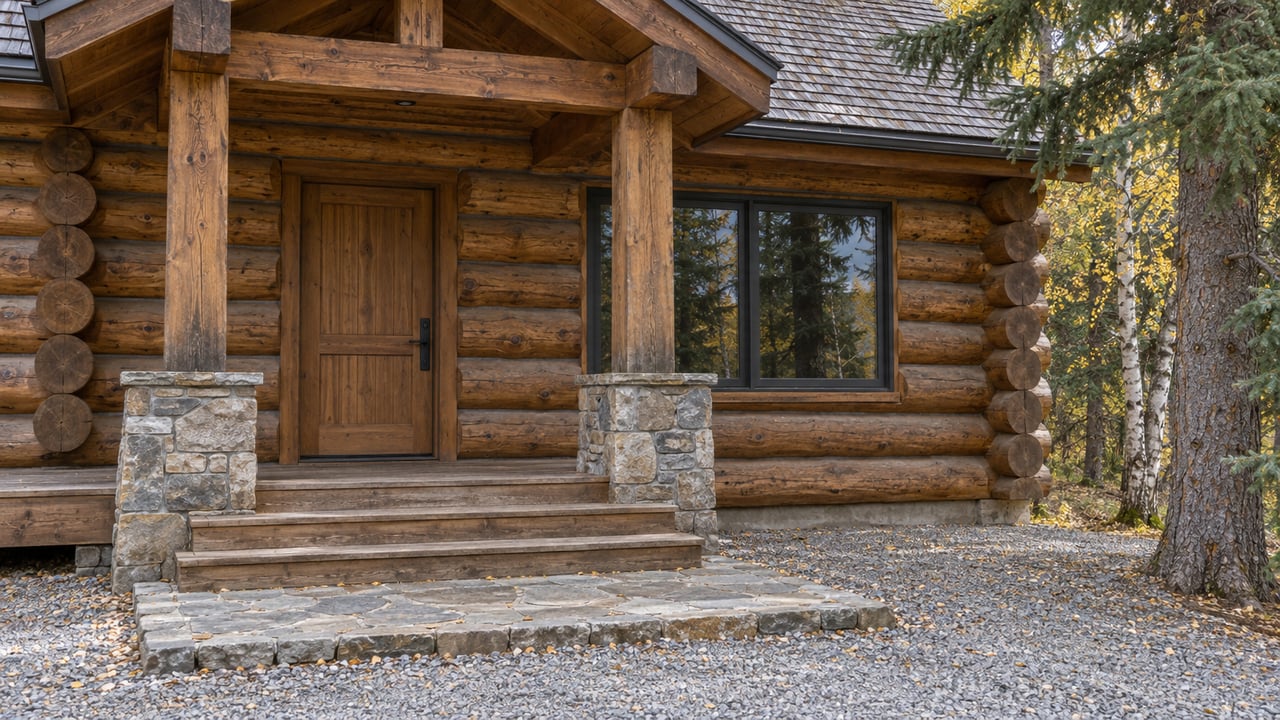
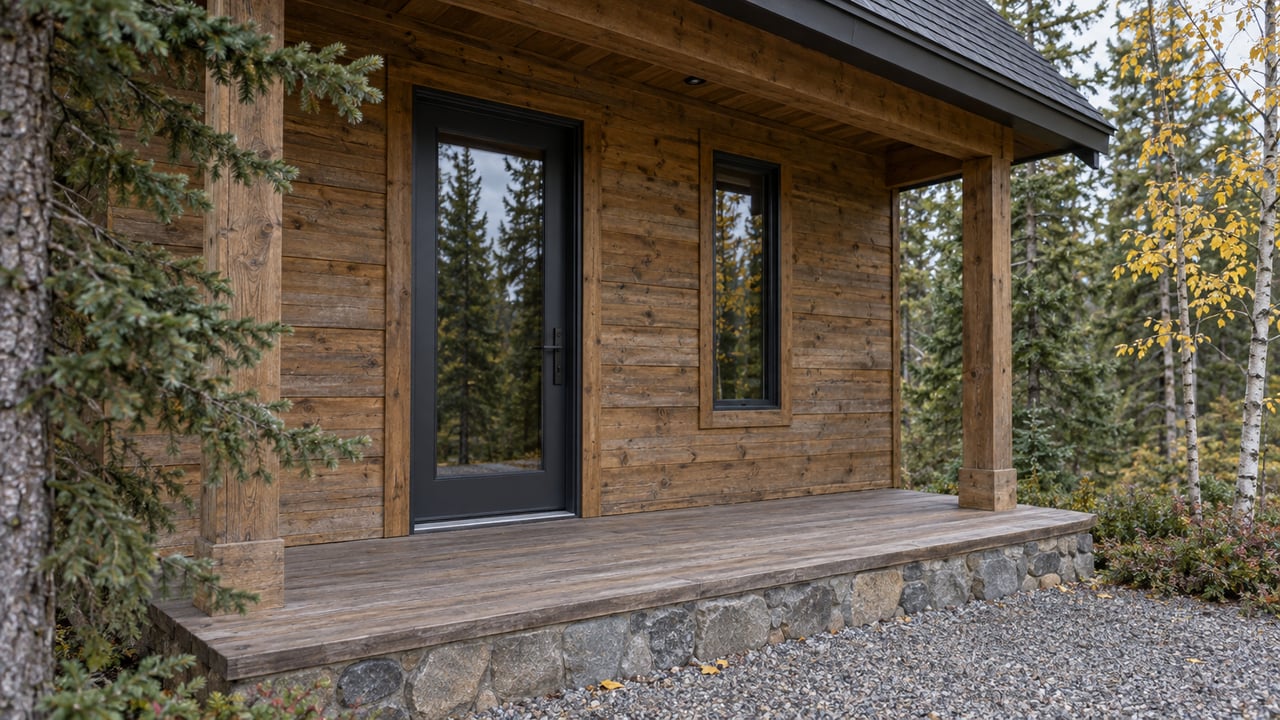
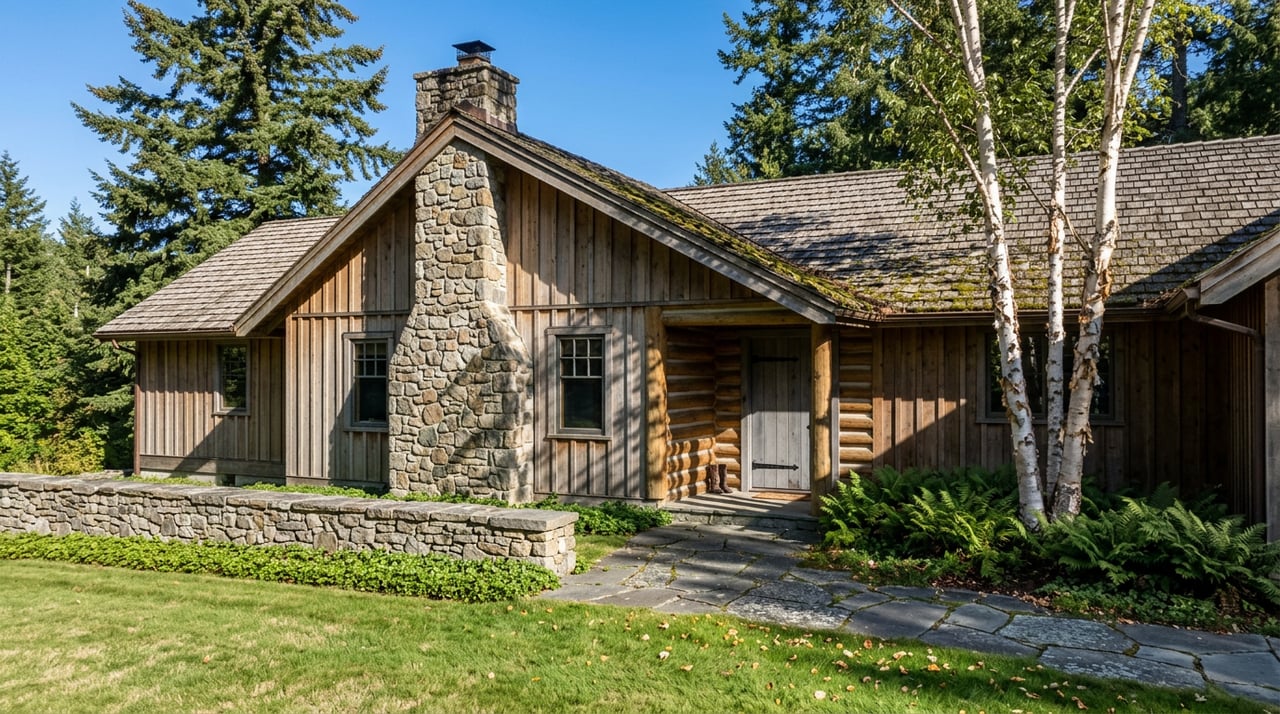
Beyond the base area, you will see classic A-frames, timber chalets, and modern cabins. Styles range from rustic weekend places to polished mountain homes with big windows and gear rooms. Lot sizes vary, and some properties feel tucked into spruce forest where privacy and trail access are the draw.
Single-family along Glacier Creek
Farther up the valley and along the Turnagain Arm side, single-family homes often sit on larger parcels. In-town locations may be on municipal water and sewer, while others rely on well and septic. If you are considering an older or more remote property, build extra time for inspections, utility verification, and winter access planning.
Commute and access
Your road lifeline is the Seward Highway along Turnagain Arm. Typical drive times to central Anchorage range from about 35 to 60 minutes, depending on traffic and conditions. In winter and shoulder seasons, weather, road work, and avalanche control can extend that drive or cause temporary closures. Locals watch road advisories and leave buffer time for work and appointments.
City transit is limited, but some residents coordinate vanpools and carpools. The Alaska Railroad has offered seasonal passenger service along the Arm in past years, although schedules change. Many Girdwood professionals blend telecommuting with on-site days in Anchorage, which helps reduce winter stress. If you are weighing a full-time move, test the commute during busy winter weekends and on a storm day to see how it feels.
Alyeska and trail access
Outdoor access is the heart of living here. If you build your week around snow and dirt, Girdwood makes it easy.
Downhill and tram
Alyeska Resort is the center of downhill skiing and mountain services. You will find lift-access terrain, lessons, and on-mountain dining. Ski season typically runs from late fall through spring, although opening and closing dates shift with conditions. In summer, the tram and hiking routes draw visitors for big views and events.
Nordic and backcountry
Groomed Nordic trails, fat-biking routes, and snowshoe loops add variety when you want a non-lift day. Backcountry access from the valley and nearby trailheads is excellent, but avalanche risk is a real factor each winter. Most residents who tour carry rescue gear, practice with partners, and pursue avalanche education. If you are new to the area, consider local guide services or formal training before heading into the alpine.
Everyday adventure
Popular day routes like the Winner Creek and Glacier Valley trails are close to town. Boardwalk sections, rainforest scenery, and quick access make it easy to fit in a hike after work. Trail conditions and features can change with weather and maintenance cycles, so check current information before you go.
Seasons and community rhythm
Girdwood moves to the cadence of winter and summer. Peak months bring visitors, events, and expanded restaurant and retail hours. The shoulder seasons can feel quiet, and some businesses reduce hours or close to reset. Holiday weekends, races, and festivals add energy and occasional noise. Weekends can mean more traffic on the Seward Highway and busy parking at trailheads.
Costs, utilities, and services
Living in a mountain town comes with different cost drivers than a big city. Planning ahead helps you enjoy the perks without surprises.
Everyday costs
Groceries, fuel, and building materials tend to cost more than in many urban areas in the Lower 48. Tourism demand can push up service prices during peak seasons. Contractor availability is seasonal too, so schedule projects early when possible.
Heat and power
Heating is a meaningful line item in your budget. Depending on the property, you may see oil, propane, natural gas, electricity, or a mix. Insulation, window quality, and snow load management also affect energy use. Ask for utility histories and confirm how the home is heated before you write an offer.
Water, sewer, and trash
Denser parts of town connect to municipal water and sewer, while some cabins and upriver homes rely on wells and septic systems. That calls for added due diligence on well output, water quality, and septic inspections. Garbage, recycling, and road maintenance can vary by location and season, so check pickup schedules and plow responsibilities for your street.
Internet and cell
Broadband and cell coverage have improved, but speeds still vary by neighborhood and building. If you plan to work remotely, verify actual service levels at the specific property. Many buyers run speed tests, confirm provider options, and test video calls before committing.
Safety and preparedness
Mountain living rewards people who plan ahead. A few habits make life smoother.
Road and avalanche awareness
Avalanche mitigation affects sections of the Seward Highway. Winter road conditions can change quickly, so residents watch advisories and carry winter kits in their vehicles. If you travel in the backcountry, invest in avalanche education, carry proper gear, and monitor conditions closely throughout the season.
Wildlife-smart living
Moose and black bears are part of everyday life. Keep garbage secure, store food properly, and learn basic encounter avoidance. These practices protect you and your neighbors, and they support a healthy wildlife environment.
Insurance and hazards
Check home insurance early in your search. Heavy snow loads, wind, flood exposure, and specific hillside or avalanche-path risks can influence coverage and premiums. Many buyers request parcel-level hazard information and, for hillside lots, consult geotechnical or avalanche specialists. In serious emergencies, evacuation to Anchorage may be necessary, so consider medevac coverage as part of your risk planning.
Who buys here
- Primary residents who work locally, commute to Anchorage a few days a week, or work remotely.
- Second-home owners who use their properties on weekends or holidays, often offsetting costs with short-term rental income in peak seasons where allowed.
- Outdoor-focused buyers who want quick access to lifts, trailheads, and backcountry terrain.
Primary home vs. second home
Choosing between full-time and part-time ownership comes down to lifestyle and logistics.
If you live full-time
You will likely blend telework with in-person days in Anchorage. Winter driving skills, a reliable vehicle, and flexible scheduling matter. Many residents batch errands in Anchorage, then enjoy local dining and services once they are back in the valley. A small-school environment and community rhythm can suit families who prefer a quieter, outdoor-focused pace.
If you own a second home
Proximity to Alyeska and trails is a top draw for weekend owners. Some condos and homes allow short-term rentals, which can help cover carrying costs during high seasons. Confirm HOA restrictions, municipal requirements, and management costs before you buy. Plan for snow removal, routine checks, and maintenance when you are away.
Due diligence checklist
- Confirm commute comfort. Drive the Seward Highway at rush hour and on a storm day.
- Verify utilities. Identify heat source, request utility histories, and confirm water and sewer type.
- Check internet and cell. Test speeds and call reliability at the property.
- Review HOA and rental rules. Understand fees, usage restrictions, and short-term rental policies.
- Assess hazards. Research flood, avalanche, and landslide exposure, and consult specialists as needed.
- Plan winter operations. Budget for plowing, roof snow management, and safe access to stairs and decks.
- Validate insurance. Get quotes early, note any coverage exclusions, and align deductibles with your risk tolerance.
Work and remote options
Telecommuting is common for Girdwood residents who have Anchorage-based roles. Many employers support hybrid schedules that reduce winter drive days. If you depend on video calls, confirm hardwired or reliable wireless service and try a test day from the property. Quiet shoulder seasons can make home office days especially productive.
Schools and healthcare basics
Girdwood has a small local school that reflects the scale of the community. Multi-grade classrooms are common in remote Alaska communities, and families appreciate the close-knit setting. For healthcare, in-town options focus on clinic and first-aid services. Full hospital care is in Anchorage, reached by road or medevac when necessary.
Is Girdwood right for you
- The telecommuter: You log remote hours Monday to Thursday, ski a few lunch laps, then drive into Anchorage for meetings once or twice a week. You shop in bulk monthly and lean on local cafes and gear shops for the rest.
- The weekend owner: Your condo a short walk from the lift is a family hub for powder days and summer hikes. In peak seasons, short-term rentals help offset costs when you are traveling.
- The family buyer: You value a smaller school setting, easy trail access, and fewer daily errands. Anchorage trips cover specialty needs, while day-to-day life revolves around the mountains and community events.
How we help
Buying or selling in Girdwood takes local knowledge and a clear plan. Our team brings Anchorage market authority and hands-on experience in Girdwood’s resort, cabin, and single-family segments. We guide you through utility and internet checks, HOA and rental rules, hazard considerations, and realistic commute testing. Whether you are aiming for a slope-side condo, a classic A-frame, or a family home along Glacier Creek, we help you weigh tradeoffs and move with confidence.
Ready to find your fit in Girdwood? Reach out to Julie Erickson for local guidance and a tailored plan.
FAQs
How long is the commute from Girdwood to Anchorage in winter?
- Typical drives range from about 35 to 60 minutes, and winter weather, road work, and avalanche control can extend travel time or cause temporary closures.
What housing types are closest to Alyeska for skiers?
- Condos and condo-style units near the resort core offer the shortest walk to lifts, and chalets and cabins nearby can provide quick access to trails and ski terrain.
Are short-term rentals allowed in Girdwood?
- Rules vary by building and location, so review HOA documents and municipal requirements before you buy, especially if rental income is part of your plan.
Is internet reliable enough for remote work in Girdwood?
- Service has improved but remains variable by neighborhood and building; verify provider options and run speed tests at the specific property.
What should I know about heating costs in Girdwood homes?
- Heating is a significant expense and fuel types vary; ask for utility histories, identify the heat source, and evaluate insulation and window quality.
Is backcountry skiing easily accessible from Girdwood?
- Yes, access is excellent, but avalanche risk is real; most backcountry users pursue avalanche education, carry rescue gear, and monitor conditions closely.
How do seasons affect dining and services in Girdwood?
- Winter and summer peaks bring more options and longer hours, while shoulder seasons can be quiet with some businesses reducing hours or closing temporarily.
Do Girdwood homes face avalanche or flood risks?
- Some parcels do; buyers often review hazard maps and seek specialist input for hillside lots, then confirm that insurance coverage and costs align with the property.