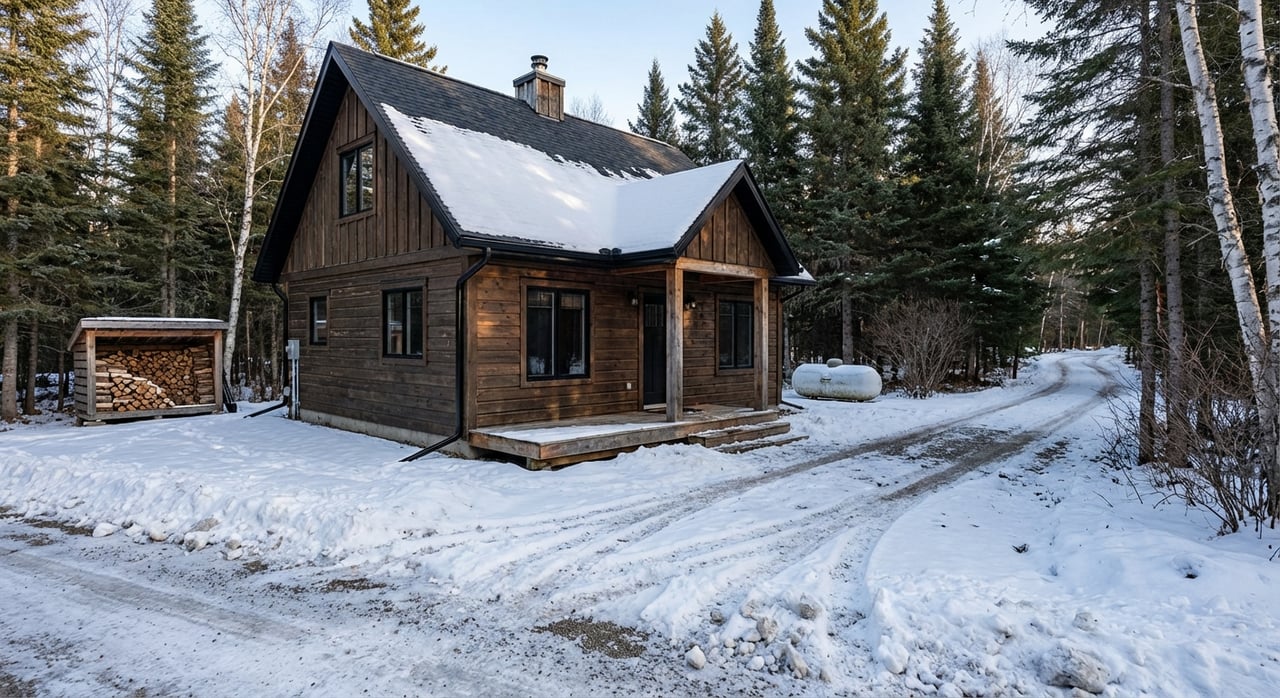
Torn between Willow and Talkeetna for your Alaska cabin? You are not alone. Both offer big nature, quiet roads, and real escape, but the day-to-day feel can be very different. In this guide, you will compare drive times, recreation, services, utilities, and typical property types so you can match a community to how you want to use your cabin. Let’s dive in.
Quick look: which fits your goals?
- Willow: Closer to Anchorage, strong lake and winter trail access, many off-grid and acreage options, low-key services.
- Talkeetna: Farther drive, river access and flightseeing hub, denser town core with dining and shops, good base for hosting guests.
Getting there in all seasons
From Anchorage, you typically reach Willow in about 90 minutes around the Nancy Lake area, depending on weather and stops. Talkeetna is commonly 2 to 2.5 hours. In winter, storms and ice can add time, so always check Alaska 511 road conditions before you go. The Parks Highway uses mileposts for directions; Willow sits around the 60s to 70s, and the Talkeetna Spur Road turns off near MP 98 to 99.
Train and air options in Talkeetna
If you want rail access for guests or gear, Talkeetna has a passenger depot with the Hurricane Turn train, including flagstop service to backcountry areas in season. Talkeetna is also a regional base for air taxi and flightseeing tied to Denali, which supports more tour and lodging activity in town, as noted by the Talkeetna Chamber of Commerce.
Water, trails, and winter fun
Willow: lakes and wide winter trails
If you want easy lake access and a big winter trail network, Willow delivers. The Nancy Lake State Recreation Area offers lake paddling, public use cabins, fishing, and groomed winter routes. Willow Creek and the Susitna River provide boating and well-known salmon fisheries, and local groups support snowmachine culture across wide multi-use trails.
Talkeetna: rivers, lakes, and Denali views
Talkeetna sits near the confluence of the Talkeetna, Susitna, and Chulitna rivers. Outfitters and boat launches support rafting, jet boat tours, and angling, which you will find through the Talkeetna Chamber. For quiet loops and stocked fishing close to town, Talkeetna Lakes Park (X and Y Lakes) offers accessible trails and water access, as described in this overview of fishing X and Y Lakes. These braided rivers shift seasonally, so evaluate flood exposure for any low-lying parcel before you buy.
Town feel and day-to-day services
Talkeetna has a more concentrated core with small markets, shops, and restaurants that serve residents and visitors year-round. Willow’s service pattern is more dispersed and low-key, with smaller grocery and fuel stops. Many cabin owners in both areas plan bigger resupply trips in Wasilla or Palmer and keep essentials on hand at the cabin.
Health and safety basics
For routine and urgent needs, both communities are served by local clinics, while higher-acuity care is centralized at Mat-Su Regional Medical Center in the Palmer/Wasilla area. In serious emergencies, ground or air transport may be required. If you are considering a river-adjacent or low-lying lot, include flood-risk review in your due diligence.
Utilities and connectivity
- Power: Much of the Parks Highway corridor, including Willow and Talkeetna, is served by Matanuska Electric Association. Service depends on proximity to lines, and some parcels are off-grid. Confirm details with the seller and MEA.
- Water and wastewater: Parts of Talkeetna have public water, while many rural cabins in both areas rely on private wells and septic. Verify system type and request well logs, water tests, and septic records. The Alaska DEC database lists public systems in Talkeetna; start with the DEC water system search.
- Connectivity: Downtown Talkeetna and active commercial areas often have stronger service, while some remote parcels have spotty cell coverage. Always check provider maps for the specific address.
Property types and market patterns
Talkeetna: compact town lots to big spreads
Near downtown, you will find smaller lots with historic cabins and chalet-style homes. Outside the core, parcels commonly range from 1 to 40 or more acres, with a mix of year-round and vacation properties. The community’s visitor economy can support short-term rentals in some zones. Verify borough rules and any neighborhood covenants before you buy.
Willow: dry cabins to 40+ acre tracts
Willow often offers more acreage for the price and a wide variety of recreational listings, from simple dry cabins to larger off-grid setups and sizable tracts. Inventory and pricing swing with access, utility availability, and seasonality. Cabins without year-round road maintenance or with off-grid systems typically trade at discounts, but they require readiness for winter access, wood heat, and system upkeep.
How to choose your best fit
- Choose Willow if you value a shorter repeat drive from Anchorage, lakes at your doorstep, and broad winter trail systems. It is a strong pick for snowmachine riding and dispersed, quiet cabin neighborhoods.
- Choose Talkeetna if you want a walkable town center, more dining and tour options, river recreation, rail access for guests, and a base that can support short-term rental use in some zones.
Cabin-buyer checklist
Use this list to plan tours and compare properties more confidently.
- Confirm realistic drive times for your route and check Alaska 511 on travel day.
- Ask if the parcel has MEA power, an estimate for any line extension, or is off-grid.
- Verify water and wastewater: well logs, water tests, septic permits and inspection history. If near rivers or wetlands, add flood-risk review.
- Ask who maintains the access road and whether it is plowed in winter.
- Map recreation priorities: lakes and trails near Nancy Lake and Willow Creek for Willow; Talkeetna Lakes Park and river launches for Talkeetna.
- Plan for services: Talkeetna’s core offers more dining and convenience stops; Willow’s basics are smaller, so stock up as needed.
- If rail or flightseeing access matters, Talkeetna’s depot and air taxis make logistics easier for guests.
Ready to explore properties in person or set up a tailored search? Reach out to Julie Erickson for local guidance and a plan that fits how you want to use your cabin.
FAQs
How long is the drive from Anchorage to Willow or Talkeetna?
- Willow is commonly about 90 minutes around Nancy Lake, while Talkeetna is often 2 to 2.5 hours, depending on weather and stops.
Which area has better winter trail access for snowmachines?
- Willow is known for broad multi-use winter trails and strong snowmachine culture, with easy access around the Nancy Lake and Willow Creek areas.
Does Talkeetna have train access for cabins and guests?
- Yes. Talkeetna’s depot serves passenger routes, including the Hurricane Turn with seasonal flagstop service to backcountry areas.
Where will I find more dining and shops near my cabin?
- Talkeetna has a denser town core with multiple eateries, markets, and tour services; Willow offers a quieter, more dispersed set of basics.
What utilities should I expect on typical cabin parcels?
- Many parcels have MEA power nearby, but some are off-grid. Water is often via private well and septic; parts of Talkeetna have public water. Always verify per parcel.
Are riverfront or low-lying lots at flood risk?
- Braided glacial rivers can shift flow and levels seasonally. If a parcel sits near a river or wetland, include flood-risk review in your due diligence.