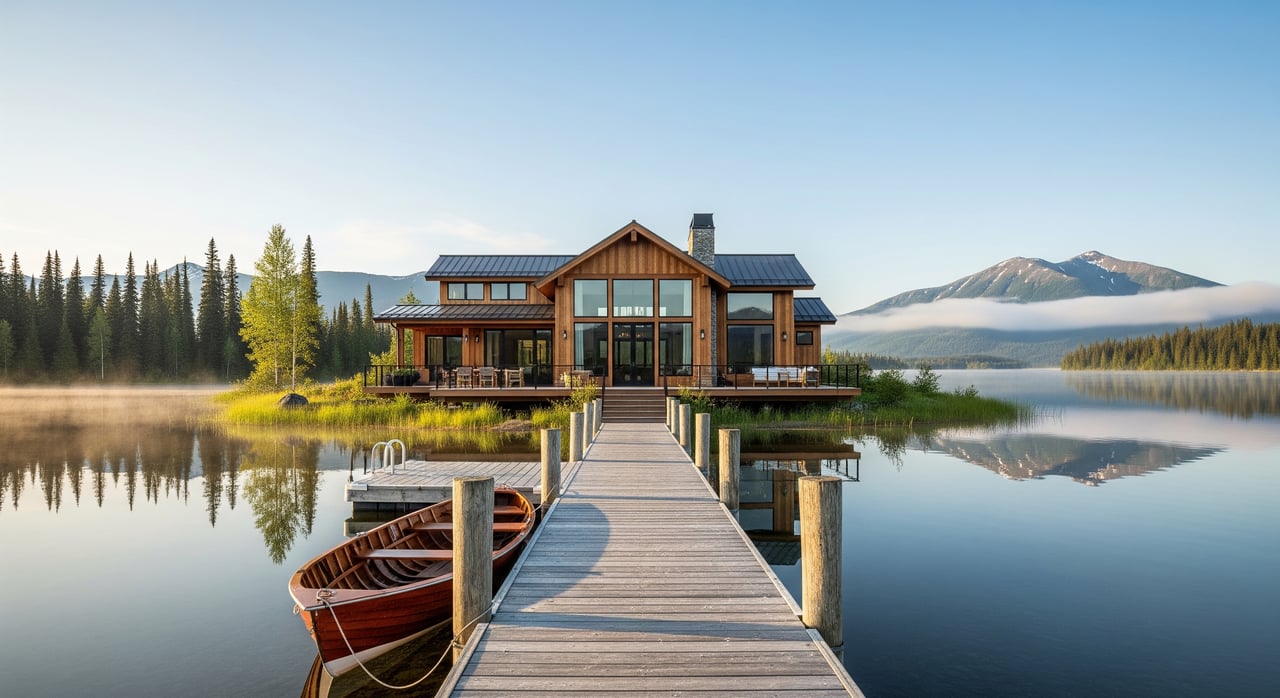
What draws people to Big Lake is simple: you get front-row access to Alaska’s great outdoors with room to breathe. If you want a home or cabin where summer mornings start on the water and winter weekends begin on a snowmachine, this community gives you that rhythm. You also want to know what daily life really looks like, from utilities and road maintenance to commute times and permits. This guide walks you through the lifestyle, housing, and practical details so you can decide if living on Big Lake fits your plans. Let’s dive in.
Big Lake lifestyle by season
Summer on the water
Summer is the peak season on Big Lake. You can expect powerboating, kayaking, paddleboarding, wakeboarding, and shoreline picnics to be part of your weekly routine. Public launch sites and access points are available, and weekends can feel lively with visiting boaters and cabin owners.
You will see anglers on shore and by boat. Wildlife is part of the backdrop, including birds and the occasional moose along the shoreline. Like most Alaska lake communities, mosquitoes show up, so plan for good insect protection.
Fall slowdown and trails
Fall brings crisp days and fewer boats. Many seasonal residents start to wind down lake use, while anglers keep fishing into the shoulder season. It is also a busy time in the region for hunting, which can affect trail and backroad activity. Expect a quieter shoreline and more space to take in the views.
Winter on the frozen lake
When the lake freezes, life shifts to ice fishing, snowmachining, cross-country skiing, and ice sports. Big Lake connects to broader Mat-Su trail networks, and many residents keep snowmachines ready to go. People rely on community ice reports and local knowledge before traveling on lake ice since thickness varies by location and weather.
Daylight is shorter than summer, so you plan activities around light and temperature. With the right prep, winter becomes a favorite season for many owners.
Everyday rhythm and amenities
Daily life blends self-sufficiency with access to nearby towns. Many residents store boats, snowmachines, and gear in garages or sheds and handle routine maintenance at home. Groceries, basic services, and shops are available in the Mat-Su Valley, especially around Wasilla and Palmer. For larger shopping, hospital care, and specialty services, you typically head to Anchorage.
Internet and cell coverage vary by address, and some owners combine a local ISP with satellite or space-based internet. Expect weekends and holidays to feel busier on and around the lake.
Homes and property types
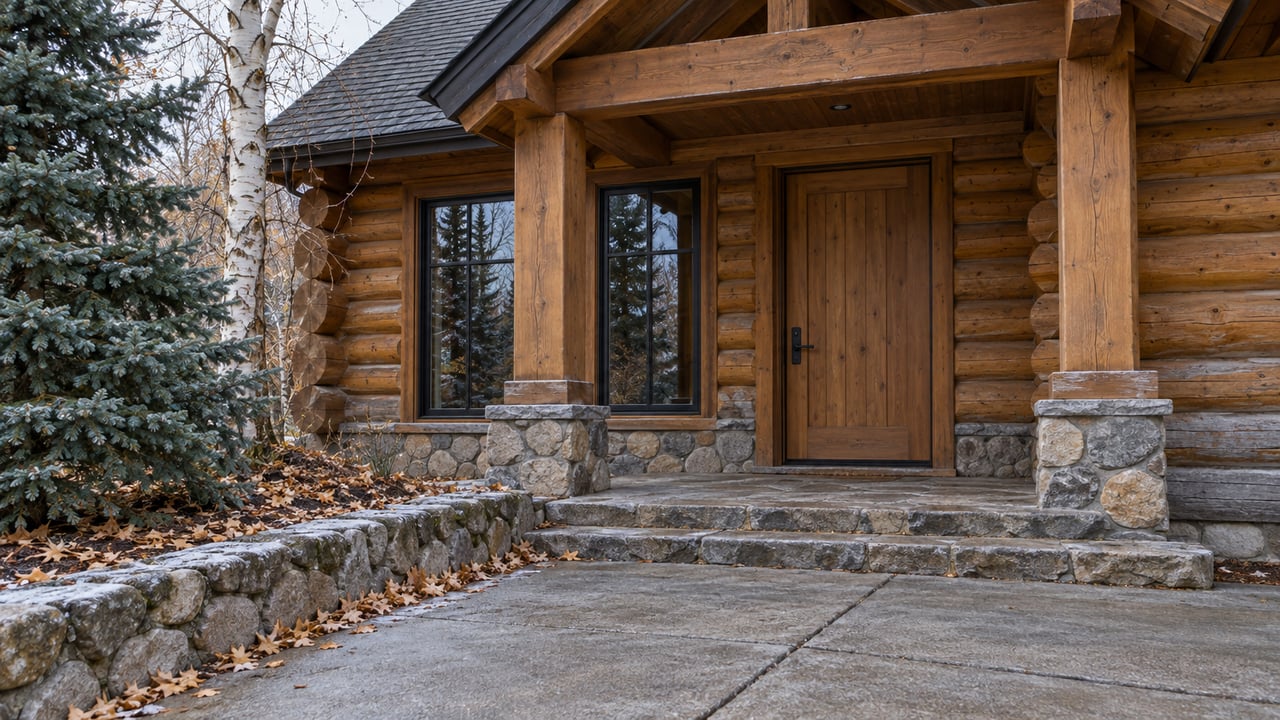
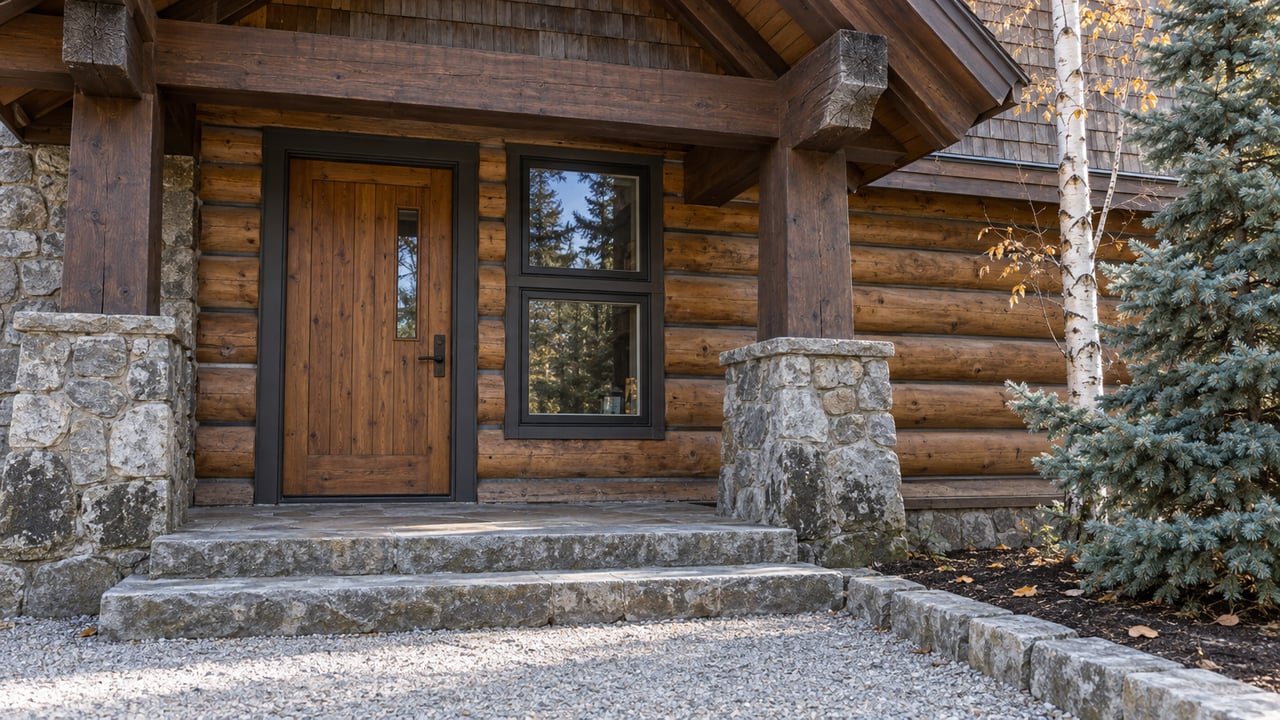
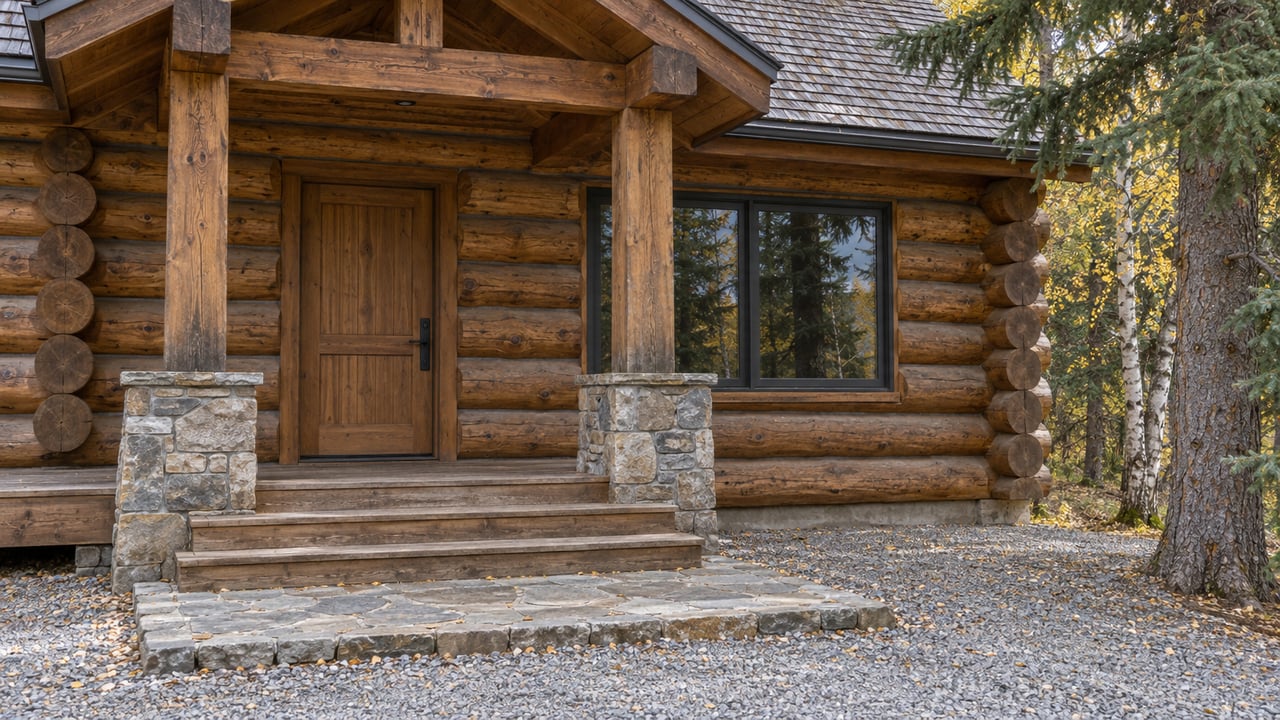
Big Lake offers a mix of permanent homes and recreational cabins. You will see wood-frame single-family homes, log cabins, A-frames, modular or manufactured homes, and rustic cabins. Parcels tend to be larger than suburban lots, which means space for outbuildings, quonsets, and extra parking for trailers and equipment.
Owners often prioritize features that fit an active, four-season lifestyle. Insulated or heated garages, mudrooms for gear, durable siding and roofs, and robust heating systems are common wants. If you are buying a seasonal-use cabin, look closely at insulation, water system winterization, and year-round access.
Utilities and services to expect
- Electricity. Many properties are served by Matanuska Electric Association or a local cooperative. Service availability and the cost to extend lines vary by parcel. Confirm the provider and connection details during due diligence.
- Heating. Common fuels include propane, fuel oil, wood, and electric. Many homes have backup generators. Ask about tank sizes, delivery options, and the age and capacity of heating equipment.
- Water and sewer. Private wells and septic systems are common. Municipal water and sewer are not universal. Review well yield and water quality records, and confirm septic type, permits, and maintenance history.
- Garbage and recycling. Borough curbside service may be available in some areas. Many residents use centralized transfer sites. If you plan to dispose of old fuel or propane tanks, follow borough rules.
- Internet and cell. Coverage is mixed by location. Some addresses use regional providers, while others rely primarily on satellite or space-based service. Verify options at the specific address.
- Mail and deliveries. Rural mail routes, cluster boxes, or post office pickup are typical. Some delivery services have size and road-condition limits in winter.
Roads, winter access, and maintenance
Roads around Big Lake are a mix of state highways, borough-maintained roads, and private subdivision roads. The Parks Highway provides the main connection to Wasilla and Anchorage. In winter, state and borough crews plow main routes, while private roads and long driveways usually depend on homeowners or HOA contractors.
Ask which entity maintains your access road, how often it is plowed, and whether sanding is routine. Plan on AWD or 4WD, good winter tires, and an emergency kit. Short winter daylight and variable conditions can affect commute times.
Commutes to Wasilla and Anchorage
Big Lake sits within the broader Mat-Su Valley, so you can reach daily services fairly quickly. Typical drive times to Wasilla range from about 20 to 40 minutes depending on your exact location and conditions. Anchorage is roughly 1 to 1.5 hours by car. Public transit options are limited, so most residents rely on private vehicles. Weather, ice, and spring thaw can add time during certain periods.
Lake access and rules for buyers
Shoreline, docks, and permits
Before you buy, confirm where the property lines are relative to the mean high-water mark and whether any public easements apply. If a property includes a dock or boathouse, check for permits and approvals on file. New or replacement shore structures often require coordination with the Matanuska-Susitna Borough, the Alaska Department of Natural Resources, and local planning or zoning.
Boating, fishing, and ice safety
If you plan to fish, you will need an Alaska sport fishing license. Species regulations, seasons, and gear rules can change, so plan to review current guidance with the Alaska Department of Fish and Game. Boats must meet state safety and registration requirements. On ice, local practice is to verify thickness and conditions through community reports rather than assuming uniform safety. Use extra caution near inlets, outlets, springs, or structures.
Environmental and land-use notes
Some shoreline parcels may experience seasonal flooding or erosion. Ask for floodplain maps, any recorded shoreline mitigation, and soil stability information. In parts of the Mat-Su, permafrost can be patchy. Foundation design and drainage should address local soils and freeze-thaw conditions. Vegetation removal or shore work could be subject to habitat protections or permits.
Buyer checklist for Big Lake
Use this quick list to shape your due diligence:
- What utilities serve the property, and is it on well and septic?
- Who maintains the access road, and is it plowed year-round?
- Where is the high-water mark relative to the deeded boundaries?
- Are there permits on file for any dock or shoreline structure?
- What is the condition, age, and capacity of the heating system and any backup power?
- Which internet and cell providers serve the specific address?
- Are there known flood, erosion, or soil stability concerns on the parcel?
- What are realistic commute times in winter and summer from this location?
Inspections and smart contingencies
Water and septic systems
Order professional inspections for both. For wells, request water-quality tests and pump capacity details. For septic, confirm system type, permit history, and recent maintenance or pumping. Many lenders will require satisfactory reports for financing.
Structure, insulation, and heat
A thorough home inspection should evaluate roof condition, insulation levels, window performance, and heating system efficiency. In cabins or older structures, ask about winterization, vapor barriers, and past upgrades. Verify that outbuildings have appropriate electrical and heating setups if you plan to store or service equipment there.
Shoreline projects and feasibility
If you are planning a dock, swim platform, or bank stabilization, coordinate with the proper agencies early. A pre-purchase feasibility check can save time and clarify likely costs. Ask sellers for any prior approvals, surveys, or as-built drawings.
Costs and everyday realities
Rural properties often have higher day-to-day maintenance needs. Budget for snow removal, fuel deliveries, generator service, and regular septic pumping. If your road is private, ask about HOA or road maintenance agreements. Standard homeowners insurance and conventional mortgages are available, but coverage and loan terms can vary based on property type, access, and condition.
Is Big Lake right for you?
If you want a home base that puts you on the water in summer and on the trails in winter, Big Lake delivers. You trade some urban convenience for space, quiet, and recreation at your doorstep. With clear answers on utilities, road maintenance, and permits, you can buy with confidence and enjoy the lifestyle that makes this area special.
When you are ready to explore homes or cabins, reach out to Julie Erickson and her team for local guidance, relocation support, and a smooth buying process. You will get practical answers, a clear search plan, and help coordinating inspections and closing details. Connect with Julie Erickson to get started.
FAQs
How long is the commute from Big Lake to Anchorage?
- Typical drive times are about 1 to 1.5 hours depending on your exact location, traffic, and weather.
What internet options can I expect at a Big Lake address?
- Coverage varies by parcel. Many residents use regional providers or satellite and space-based services. Always verify availability for the specific address.
Who plows the roads near Big Lake in winter?
- State or borough crews handle main routes, while private subdivision roads and long driveways often rely on homeowners or HOA contractors. Confirm maintenance for your road.
Are wells and septic systems common on Big Lake?
- Yes. Many properties use private wells and septic systems. Request water-quality tests, well yield, septic permits, and maintenance records during due diligence.
Do I need a permit for a dock on Big Lake?
- Most fixed shoreline structures require permits and approvals from the borough and state agencies. Check permit history and feasibility before you buy.
Is it safe to drive or snowmachine on Big Lake in winter?
- Ice conditions vary. Locals rely on community reports and recent advisories rather than assuming uniform thickness. Use caution near inlets, outlets, and structures.