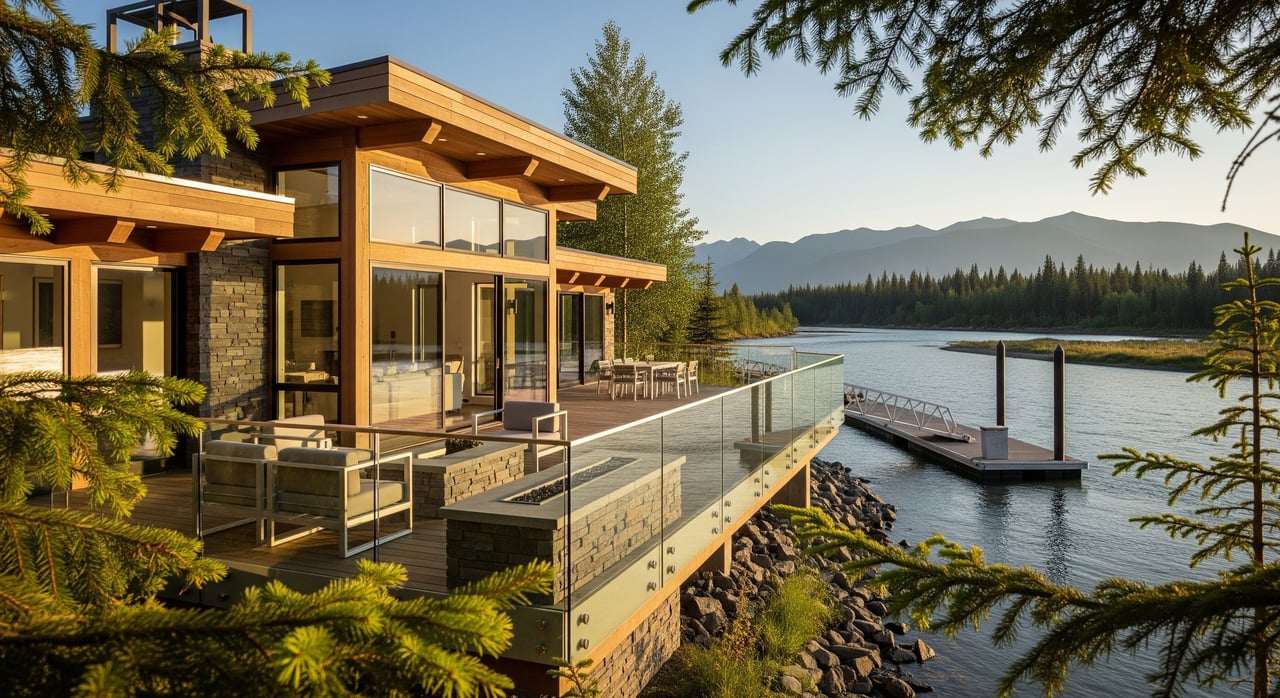
Trying to decide between Eagle River and South Anchorage? You are not alone. Both offer strong access to the outdoors and a great quality of life, but the day-to-day feel can be very different. In this guide, you will compare commutes, trail access, housing types, and simple ways to “test drive” each area so you can choose with confidence. Let’s dive in.
Quick summary: how they differ
Eagle River leans suburban to semi-rural with larger lots and fast access to backcountry-style recreation. South Anchorage feels more urban and connected, with shorter drives to Midtown and downtown, a wider mix of housing options, and immediate access to city and coastal trails.
Both are great for outdoor lovers and families, and both are shaped by Alaska’s seasons. Your best fit comes down to commute reliability, recreation style, and the kind of property and neighborhood vibe you want.
Commute realities to plan for
JBER access and gate specifics
If you work on Joint Base Elmendorf-Richardson, your exact duty location and gate assignment matter. Many JBER personnel choose Eagle River for proximity to the north gate, which can shorten the drive. If your assignment is closer to the main post or another gate, South Anchorage may compete on time. Base gate hours and security procedures can affect your routine, so confirm your gate and schedule before you choose.
Drives to Midtown and downtown
South Anchorage is generally closer to Midtown and downtown Anchorage. When roads are clear, drives are typically shorter and more predictable from South Anchorage than from Eagle River. If your job is in Midtown or downtown, that proximity can add up to meaningful time savings each week.
Winter and reliability factors
Alaska winters shape daily life. Snow, ice, and limited daylight slow travel in both areas, and snow-capable vehicles and winter tires are the norm. The Glenn Highway, which connects Eagle River to Anchorage, can experience delays or closures during severe weather, including avalanche-related incidents. South Anchorage routes can see peak-hour congestion as well. Expect longer travel times in winter, and plan backups.
Transit and other options
Anchorage’s People Mover bus system connects Eagle River and city neighborhoods, but service to Eagle River is less frequent than central routes. Many commuters still rely on cars. Some employers and JBER offer shuttles or vanpools, which may help if schedules align.
How to test your commute
- Drive your exact route during AM and PM peak on multiple weekdays.
- Repeat in winter conditions if possible and note the variance.
- If JBER, verify your gate and any shuttle or access guidance before timing the drive.
Recreation and trail access
Eagle River highlights
You get quick entry to the Chugach foothills and a front-country feel that makes longer day trips easy. You are close to lakes and rivers, with favorites like Eklutna Lake for hiking, paddling, and winter snowshoeing or cross-country skiing. The Eagle River Nature Center and nearby trail systems offer family-friendly options, and some winter motorized networks are accessible a short drive away.
South Anchorage highlights
You sit near Glen Alps and Flattop, one of the most-used hikes in Anchorage, for immediate alpine-style outings. The Coastal Trail offers long, flat paths for biking, walking, and skiing by the water. Urban greenbelts like Chester Creek and Campbell Creek connect neighborhoods, which makes quick after-work recreation simple.
What the recreation “feels” like
Eagle River tends to feel more rural and spacious, with room to stage gear and reach lakes and backcountry in a hurry. South Anchorage delivers easy, high-use trailheads and city-integrated routes that fit short outings around work and errands.
Family considerations outdoors
- Look for child-friendly trails and nearby parks when scouting neighborhoods.
- Expect busier trailheads on popular weekends in South Anchorage.
- In Eagle River, options are more dispersed, which can reduce crowding but may require slightly longer drives between destinations.
Housing and lots: what you will find
Eagle River homes and lots
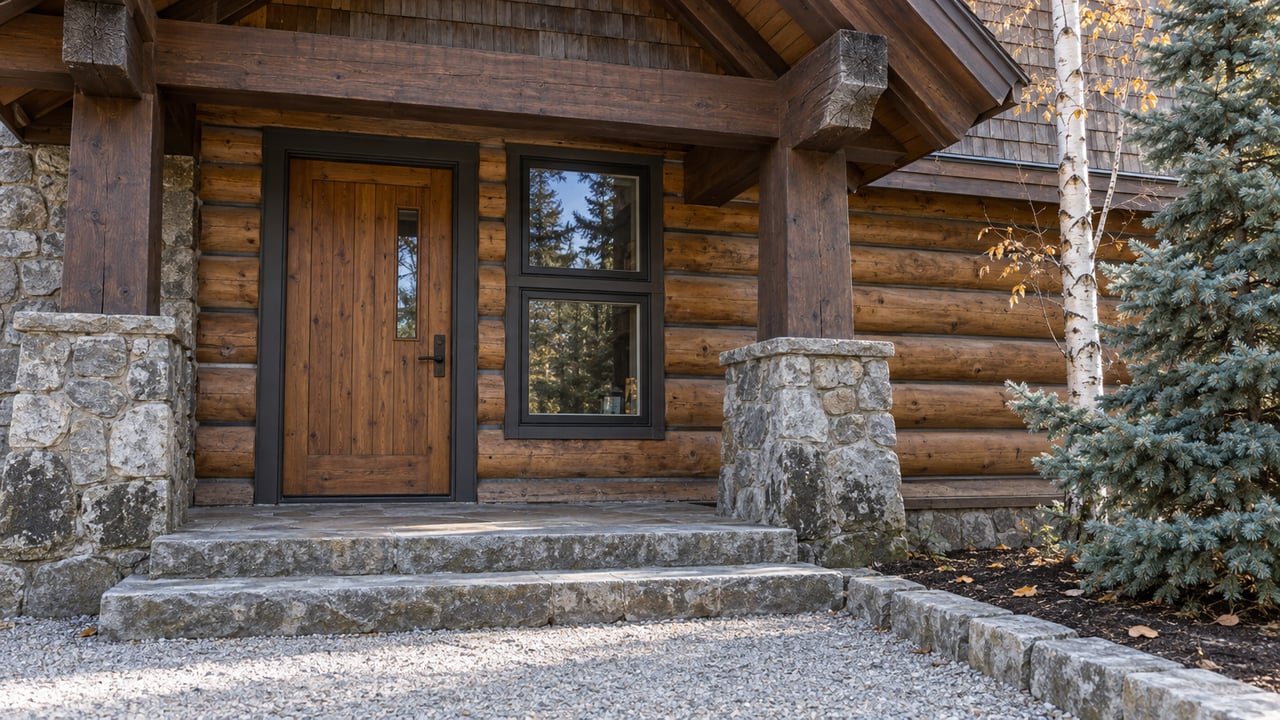
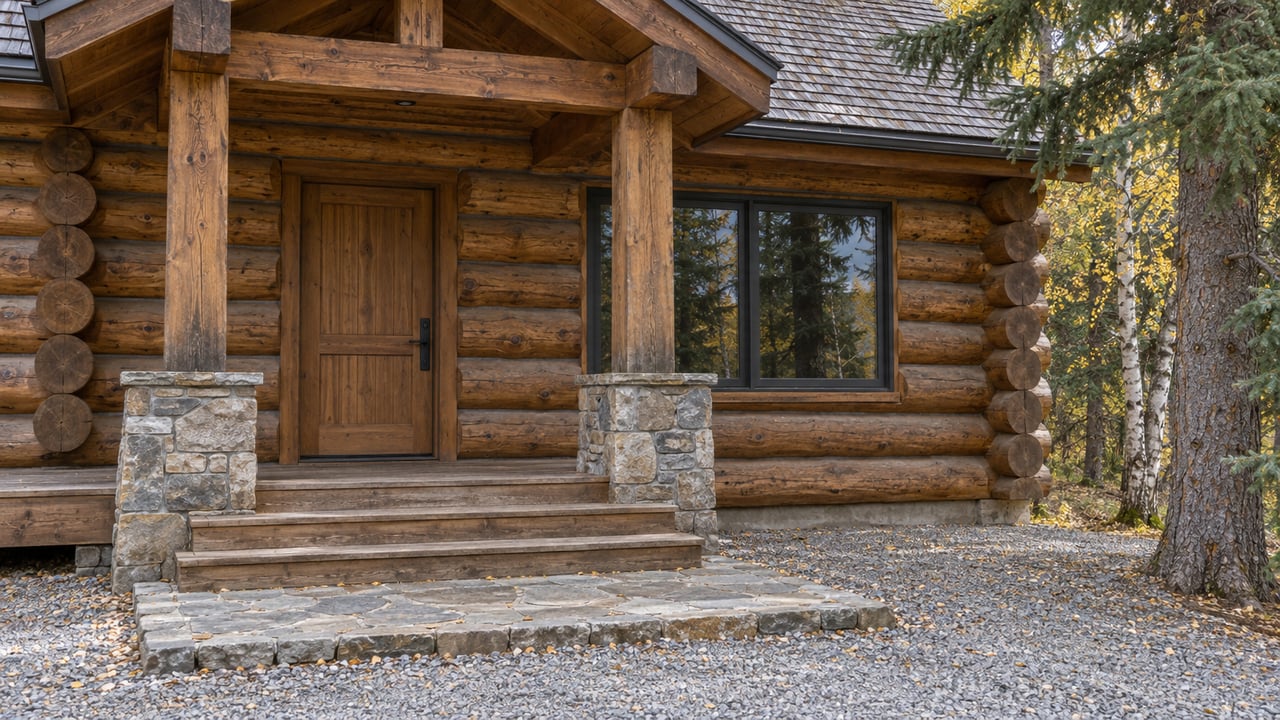
Eagle River is largely single-family, with a mix of older cabins, post-1970s subdivisions, and newer infill. You will see log or timber-style homes in some areas and more semi-rural parcels with trees and privacy. Lots tend to be larger on average, which suits outdoor storage, gardens, and space between homes.
South Anchorage homes and variety
South Anchorage offers a wider mix: smaller-lot single-family homes, duplexes, apartments, and condos. You will find mid-century properties, infill bungalows, and select newer developments. If you prefer lower-maintenance living, the condo and townhome options are more common here.
Age and maintenance
South Anchorage’s older housing stock can mean planning for modernization, from mechanical systems to insulation. Eagle River’s mix includes newer construction and older cabins. In both areas, winter access, driveway snow removal plans, and, where applicable, the condition of private wells and septic systems are important due diligence items.
Budget and ongoing costs
Instead of focusing on a single median price, build your budget around your lifestyle. Larger lots can mean higher heating costs and more snow removal. Condos can shift costs into association fees. Ask your agent to pull recent neighborhood-level data for days on market, inventory, and comparable sales so you can weigh trade-offs precisely.
Decision framework you can use
Key questions to clarify
- Commute priority: How many minutes per day are you comfortable driving, and to which destinations most often?
- Reliability vs distance: Do you want a slightly longer but steadier commute, or a shorter one that may vary more in winter?
- Recreation style: Lakes and backcountry access most days, or city trails and quick-after-work hikes?
- Housing needs: Larger lot and room for gear, or low-maintenance condo or townhome?
- Schools and childcare: Which neighborhoods feed to the programs you need? Check current Anchorage School District boundaries.
- Services and amenities: How close do you want grocery, healthcare, daycare, and social spots?
- Community vibe: Suburban small-town feel or more urban convenience and event access?
- Budget and resale: Which product type aligns with your timeline and long-term plans?
Simple scoring tool
Assign each factor a 1–5 score for Eagle River and South Anchorage, then apply the weights below. Higher total suggests a better fit.
- Commute and reliability, 30 percent
- Housing and lot needs, 20 percent
- Recreation access, 15 percent
- Schools and family services, 15 percent
- Proximity to city amenities, 10 percent
- Seasonal resilience, 10 percent
Tip: If any item is a deal-breaker, mark it as such and stop there. A red flag on commute reliability or property access can outweigh a perfect score elsewhere.
Common red flags
- Frequent incidents or closures on your primary route during the times you plan to travel.
- Long or steep driveways that are hard to plow or maintain.
- Private well or septic with unknown service history or unclear records.
- Limited nearby grocery or medical options if you want a car-light routine.
Try before you choose: test-drive plans
Eagle River day plan
- Morning: Drive your work route during peak AM traffic. Grab coffee locally and note morning activity and parking.
- Midday: Visit a grocery store and a healthcare clinic. Walk two neighborhoods, one near the Eagle River Nature Center area and one newer subdivision, to compare lot sizes and street feel.
- Afternoon: Head to Eklutna Lake or a local river or trail. Time the drive and note parking and trail use.
- Evening: Return during PM peak and, if possible, do a quick loop at twilight to check lighting and signage.
South Anchorage day plan
- Morning: Drive to Midtown or downtown or JBER main post during peak AM. Stop at a neighborhood café or grocery to assess convenience.
- Midday: Walk the Coastal Trail or visit the Glen Alps trailhead for Flattop. Time the drive from a sample neighborhood.
- Afternoon: Tour a condo or townhome building and a single-family block to compare product types.
- Evening: Drive home during PM rush and, if travel is frequent for you, time a route to the airport.
Weekend and seasonal test
- Spend a full weekend in each area during different seasons if you can.
- Simulate family logistics: school drop-off, grocery run, and evening activity in both places.
- If you are JBER, enter the base from your intended gate during commute hours and note wait times and procedures.
How we help you decide
This choice is personal, and the details matter. We guide relocating professionals and Anchorage families through commute testing, neighborhood shortlists, and property tours that match your housing type and lot needs. If you are a seller, we also provide premium listing marketing and clear pricing strategy so your next move supports your goals.
Ready to compare Eagle River and South Anchorage with a custom plan for your lifestyle and work? Reach out to Julie Erickson for local guidance, neighborhood tours, and data-driven next steps.
FAQs
Is Eagle River faster for commuting to JBER?
- Often yes if you use the north gate or work on the north side of base, but confirm your duty location and gate assignment to be sure.
Which area is closer to Midtown and downtown Anchorage?
- South Anchorage is generally closer and tends to offer shorter, more predictable drives to Midtown and downtown when roads are clear.
How does winter affect commuting between Eagle River and Anchorage?
- Expect slower travel times and occasional incidents. The Glenn Highway can experience weather-related delays, so plan backup routes and allow extra time.
What kind of homes are most common in Eagle River vs South Anchorage?
- Eagle River leans toward single-family homes on larger lots, while South Anchorage offers a broader mix, including condos, townhomes, duplexes, and smaller-lot single-family homes.
What should families consider when comparing these areas?
- Focus on commute reliability, nearby trails and parks, housing type and lot size, and which neighborhoods align with your school and childcare needs.