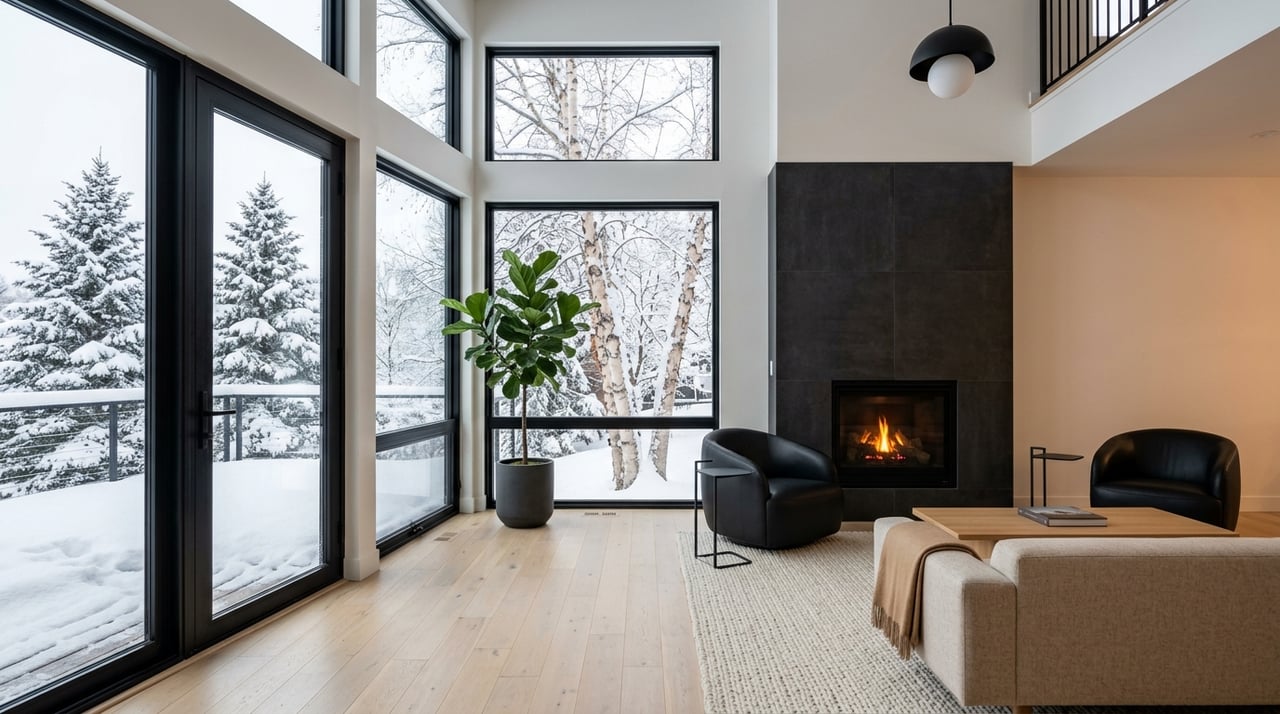
If you are dreaming about a mountain getaway that can double as a real estate investment, Girdwood probably feels like a natural fit. It offers a rare mix of resort energy, year-round recreation, and distinctive homes that do not feel like a typical suburban market. If you are thinking about buying here, it helps to understand how the area works before you fall in love with a view. Let’s dive in.
Why Girdwood attracts second-home buyers
Girdwood is about 35 to 40 miles south of Anchorage along the Seward Highway, set between the Chugach Mountains and Turnagain Arm. Municipal sources describe it as a popular year-round recreation area with about 2,000 year-round residents. That smaller scale is part of the appeal if you want a place that feels more like a mountain community than a city neighborhood.
Girdwood also has a long identity as a recreation-driven destination. It began as a mining supply and transport center, then evolved into a resort town around Alyeska. Today, that history still shapes the market, the housing mix, and the way many owners use their properties.
The Girdwood Area Plan emphasizes small-town character, protection of the natural environment, year-round recreation, and community services. For you as a buyer, that means Girdwood is not just about owning a house. It is about buying into a place with a very specific lifestyle and long-term community vision.
How Girdwood homes differ
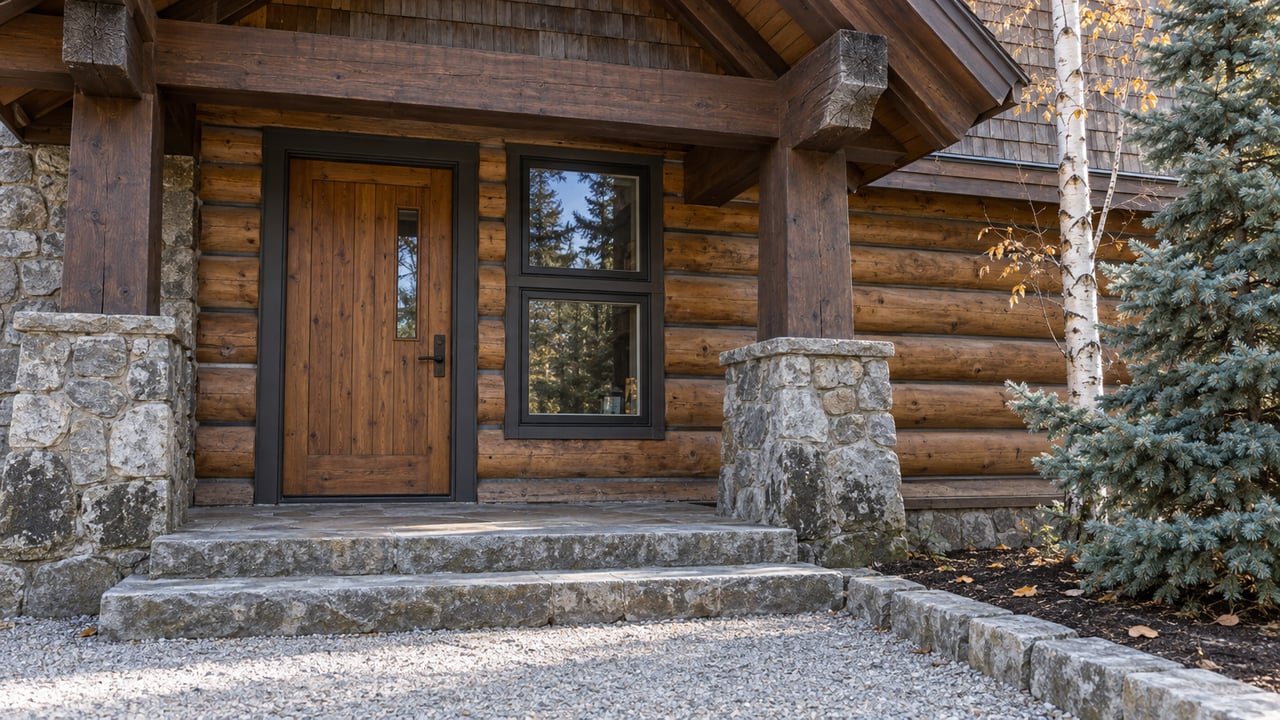
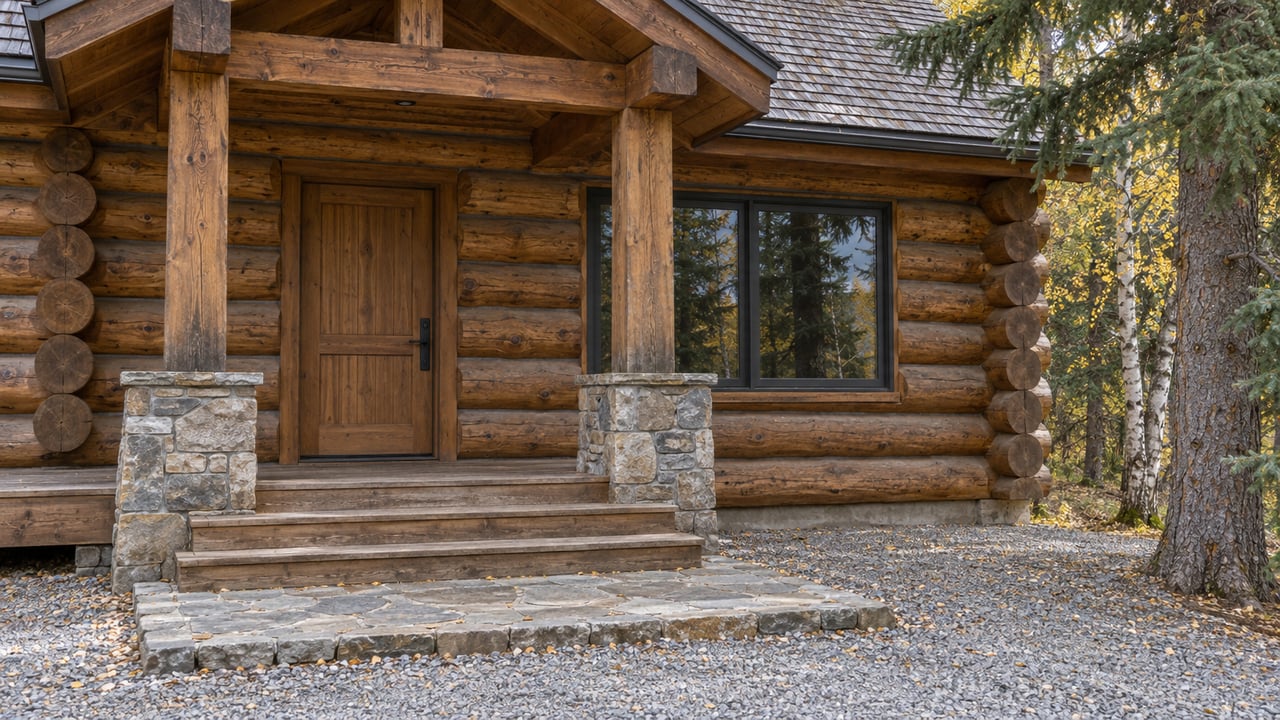
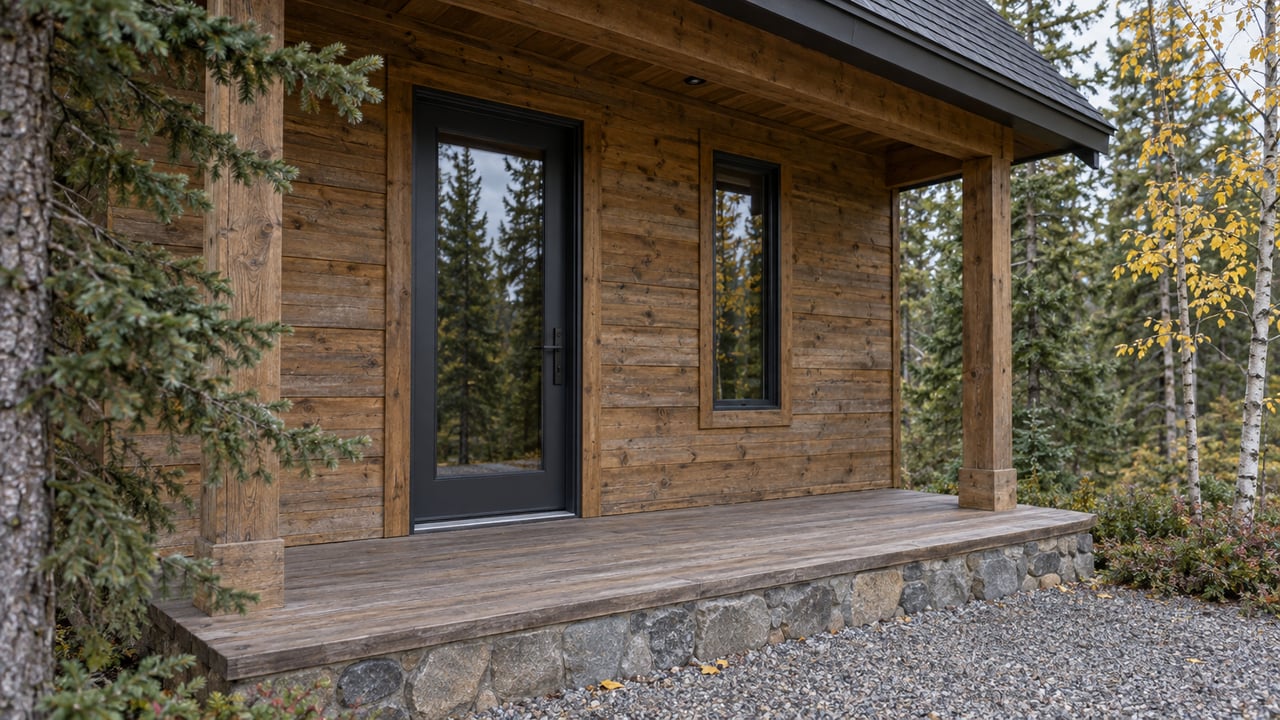
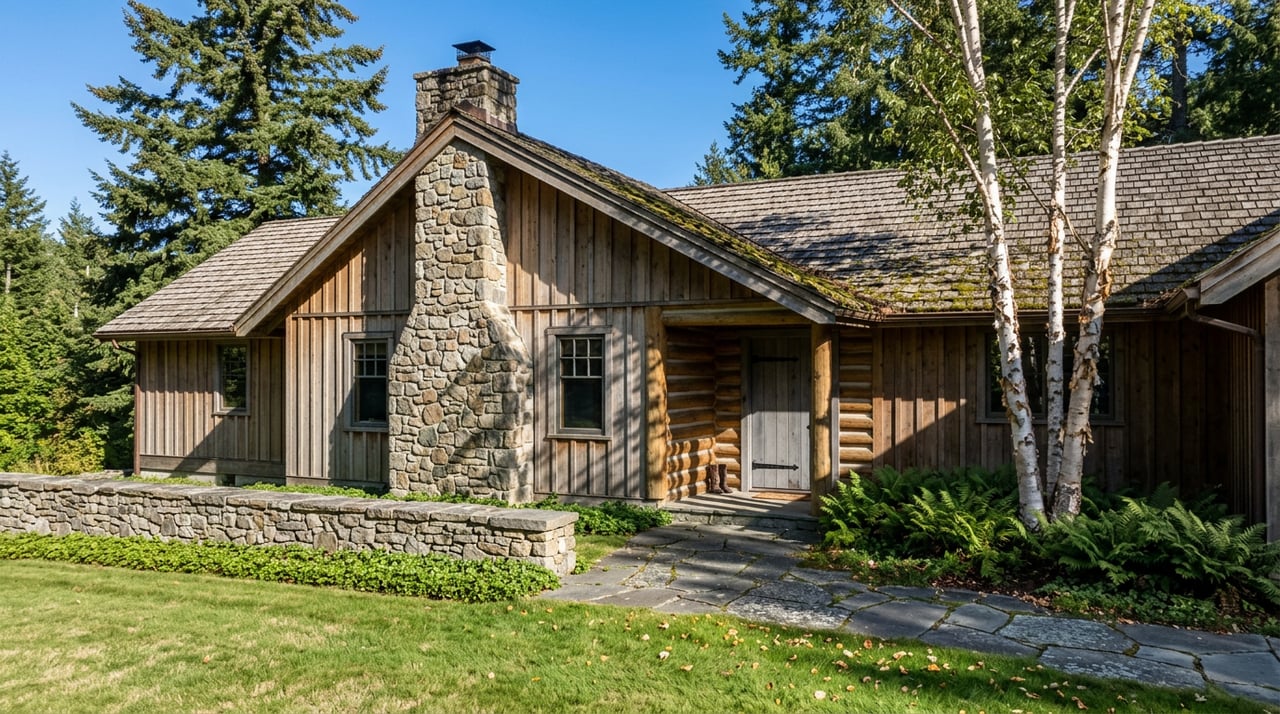
One of the first things buyers notice is that Girdwood housing is more varied than a standard residential subdivision. You may see older townsite homes, cabins, resort-adjacent chalets, and condo or townhome options that fit seasonal use especially well. That variety is part of what makes the market interesting, but it also means each property deserves careful evaluation.
A 2021 municipal historic survey found that Modern Chalet is the most common style, especially in the Alyeska and Alyeska Addition 1 areas west of the ski resort. Other styles noted in the survey include Vernacular, Shed, A-Frame, Swiss Chalet, Rustic, Contemporary, Minimal Traditional, and Modern Ranch. In practical terms, you can expect architecture that often reflects mountain setting, recreation use, and seasonal living.
Newer construction is generally concentrated closer to the resort. These homes often have larger square footage and mountain views, and the survey notes that many newer condo and residential buildings were intended for part-time residence. If your goal is a vacation home with easier lock-and-leave convenience, those properties may deserve a closer look.
What ownership patterns tell you
If you want proof that Girdwood functions differently from a typical primary-home market, the ownership data tells the story. The 2024 Girdwood Economic and Housing Analysis reports that 42% of housing units are owned by people living in Alaska but outside Girdwood, 11% are owned by people living outside Alaska, and 47% are owned by primary residents. That is a meaningful share of second-home and recreational ownership.
For you, this matters in two ways. First, you are entering a market where part-time ownership is already common, so your goals may align well with how the area is used. Second, you should expect seasonality to influence demand, maintenance needs, and rental planning.
Why year-round appeal matters
It is easy to think of Girdwood as a winter destination, but its draw goes beyond ski season. Alyeska Resort markets the area as a year-round destination with winter skiing and snowboarding, plus summer spa and adventure offerings. Girdwood Parks and Recreation also highlights 13 miles of established trails and access to both Chugach State Park and Chugach National Forest.
That year-round recreation base can support both personal enjoyment and rental interest. At the same time, demand patterns may still rise and fall with travel seasons and major recreation periods. If you are buying for both lifestyle and income, it is smart to think about how the property will perform across the full calendar, not just during peak winter weeks.
What to know about short-term rentals
If you plan to rent out your vacation home, local rules should be one of your first research steps. In Anchorage, the Municipality charges a 12% room tax on rentals under 30 days. The room-tax rules specifically include cabins, condos, townhomes, vacation rentals, seasonal rentals, and apartments.
Operators are also required to register before renting or offering a short-term unit. The Municipal Clerk opened a free short-term rental registration portal on May 1, 2026. Current operators, including previously permitted bed and breakfasts, must register by July 30, 2026, and listings or advertisements must include a municipal STR number by July 31, 2026.
The registration form asks whether the unit is seasonal or year-round and requires a local point of contact. That is especially important if you do not live in Girdwood full time. A rental plan here should include not just marketing and booking goals, but also compliance and day-to-day local oversight.
Why rental strategy should come early
Anchorage officials have said the short-term rental registry is intended to improve local data, especially in Girdwood, where short-term rentals are part of the broader housing conversation. In other words, local rules are not an afterthought. They are part of how the market is being actively understood and managed.
For buyers, the takeaway is simple. Do not assume a property will work as a short-term rental just because it seems well located or because similar homes appear to be rented. Your intended use should be part of your decision from the beginning.
Due diligence before you buy
Girdwood is a market where details matter. Because land use rules are actively being updated, buyers should verify current zoning, allowed uses, setbacks, and any parcel-specific restrictions before assuming a home can be used as a primary residence, second home, or short-term rental. In 2026, the Municipality was still working on code amendments to align Girdwood regulations with the newly adopted comprehensive plan.
That means older assumptions may no longer hold. A home that seems perfect on paper may come with use limits or practical constraints you need to understand upfront. Clear due diligence can protect both your enjoyment and your long-term investment.
Questions to ask about property use
Before you make an offer, it helps to ask focused questions such as:
- Is the current zoning consistent with how you want to use the property?
- Are there setback or parcel-specific restrictions to review?
- If you plan to rent, what local registration steps apply?
- Will the property work better for full-time use, part-time use, or seasonal stays?
- If you live elsewhere, who will serve as the local point of contact if needed?
Winter conditions can shape ownership
Mountain living comes with real practical considerations. Municipal planning documents describe Girdwood as a glacially carved mountain valley with long, cold winters, abundant snowfall, and mild summers. That setting is part of the beauty, but it can also affect how easy a home is to own and manage.
Another planning document notes avalanche hazard around the resort base area and congestion during peak ski season. For you, that translates into practical questions about snow removal, parking, roof loads, emergency access, and whether a property manager can handle remote oversight if you are not nearby.
These are not minor details. A home that feels ideal in summer may operate very differently in winter, especially if you plan to use it seasonally or rent it during peak recreation periods.
Practical ownership checks
As you compare homes, pay close attention to:
- Snow removal needs
- Parking layout and winter access
- Roof design and snow load concerns
- Emergency access considerations
- Whether remote oversight is realistic for your situation
Matching the property to your goals
The best Girdwood purchase is not always the biggest home or the closest one to resort activity. It is the one that fits how you actually plan to use it. Some buyers want a private retreat for personal escapes, while others want a part-time property with possible rental use during select seasons.
Because Girdwood has a mix of older cabins, townsite homes, chalets, and condos, the right fit often depends on lifestyle more than square footage alone. A condo or townhome may offer easier seasonal ownership. A chalet or cabin may deliver the mountain feel you want, but with more hands-on upkeep and planning.
Why local guidance matters in Girdwood
Girdwood is best understood as a recreation-driven, seasonally sensitive second-home market. It does not behave like a standard residential subdivision, and that is exactly why many buyers are drawn to it. Still, the same qualities that make it special also make careful planning essential.
When you are weighing a vacation home or investment purchase here, the most useful questions are usually straightforward. What type of property are you buying? How will you use it across the seasons? Which local rules apply if you plan to rent it? Getting clear answers early can help you buy with more confidence.
If you are exploring Girdwood homes and want practical guidance grounded in local market knowledge, reach out to Julie Erickson. You can get clear, personalized insight as you compare property types, ownership goals, and next steps.
FAQs
What makes Girdwood different from a typical Anchorage-area housing market?
- Girdwood functions more like a recreation and resort community, with a mix of primary residents, Alaska-based second-home owners, and out-of-state owners.
What types of vacation homes are common in Girdwood?
- Buyers will find a mix of older townsite homes, cabins, resort-adjacent chalets, and some condos or townhomes that may suit seasonal use.
What should you know about short-term rental rules in Girdwood?
- Rentals under 30 days are subject to Anchorage’s 12% room tax, and operators must register before renting or offering a short-term rental unit.
Why is seasonal planning important when buying a Girdwood investment home?
- Girdwood has year-round recreation appeal, but occupancy, access, and maintenance needs can still vary by season, especially in winter.
What due diligence matters most for a Girdwood vacation property?
- You should verify zoning, allowed uses, setbacks, parcel-specific restrictions, winter access, and whether the property realistically fits your intended personal or rental use.