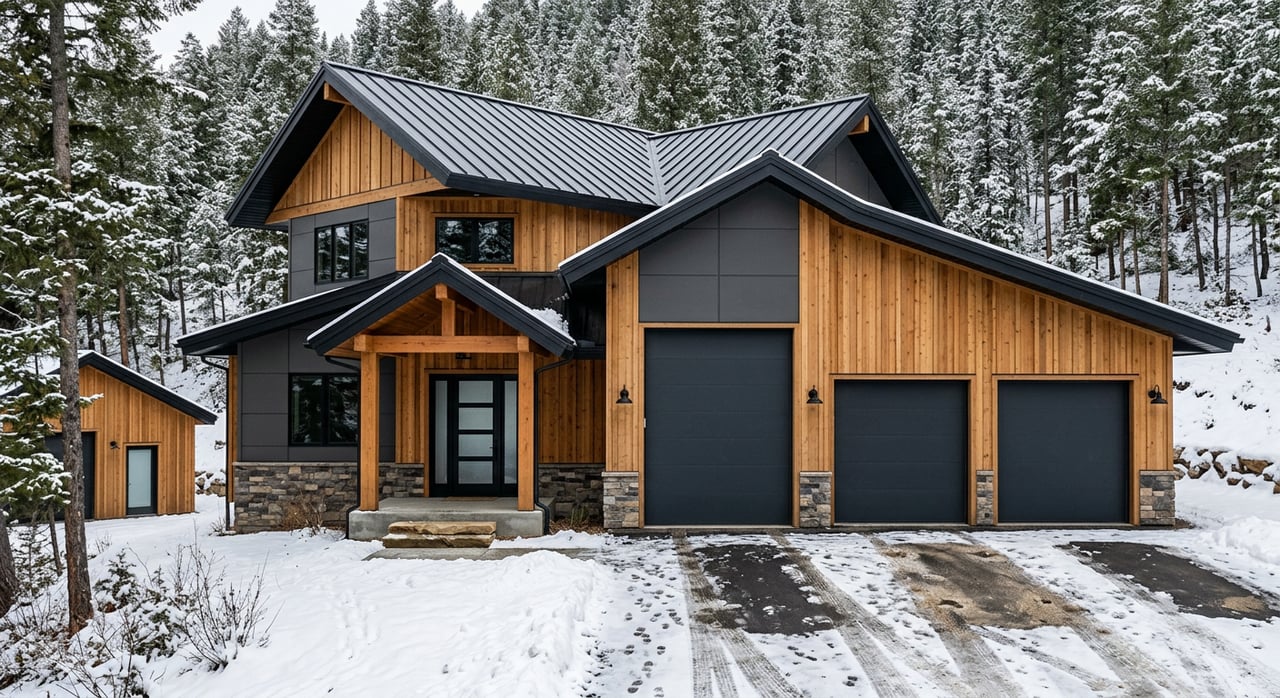
Ready to trade your in-town lot for elbow room, views, and a bigger garage? If you own in Anchorage and want more space and privacy, Mid-Hillside often tops the short list. You also want to time the sell-and-buy well so you do not overextend or miss the right home. In this guide, you will learn current price ranges, what features drive value, and practical ways to buy in Mid-Hillside while selling your current home. Let’s dive in.
Mid-Hillside market snapshot
Mid-Hillside sits in a higher price tier for Anchorage, with recent neighborhood medians generally in the 670,000 to 760,000 range. Typical price per square foot has hovered near 260 to 280. Inventory is thin, and the market has skewed seller-leaning, so you will likely see limited choices and faster movement on well-priced listings.
Days on market depends on the time window you check. Recent snapshots have ranged from roughly 40 days to around 80 days. Some turnkey or view properties move faster. Sale-to-list price trends have landed near the mid-90s percent, with select homes selling at or above asking when they are updated, well-sited, or priced smartly.
Bottom line: plan for tight inventory, confirm your financing early, and be ready to act when the fit is right. If you want live numbers, ask for an MLS neighborhood pull for your target month.
What you get in Mid-Hillside
Lot sizes and home styles
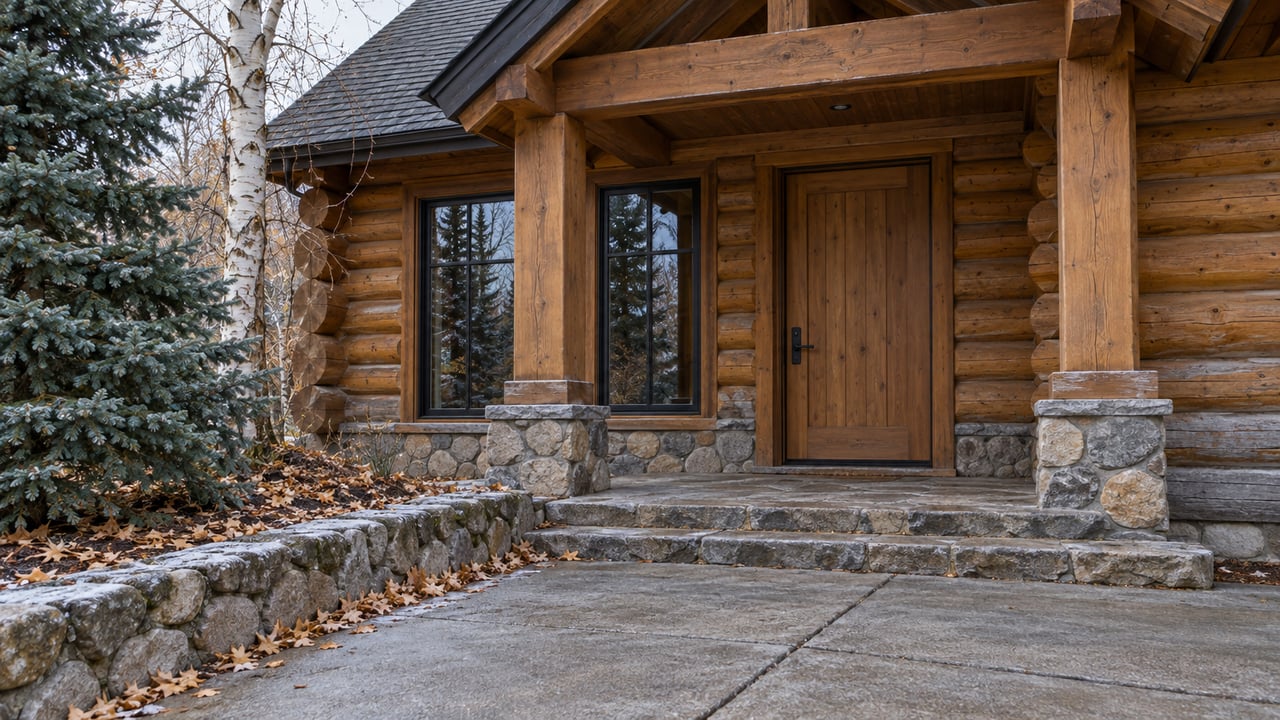
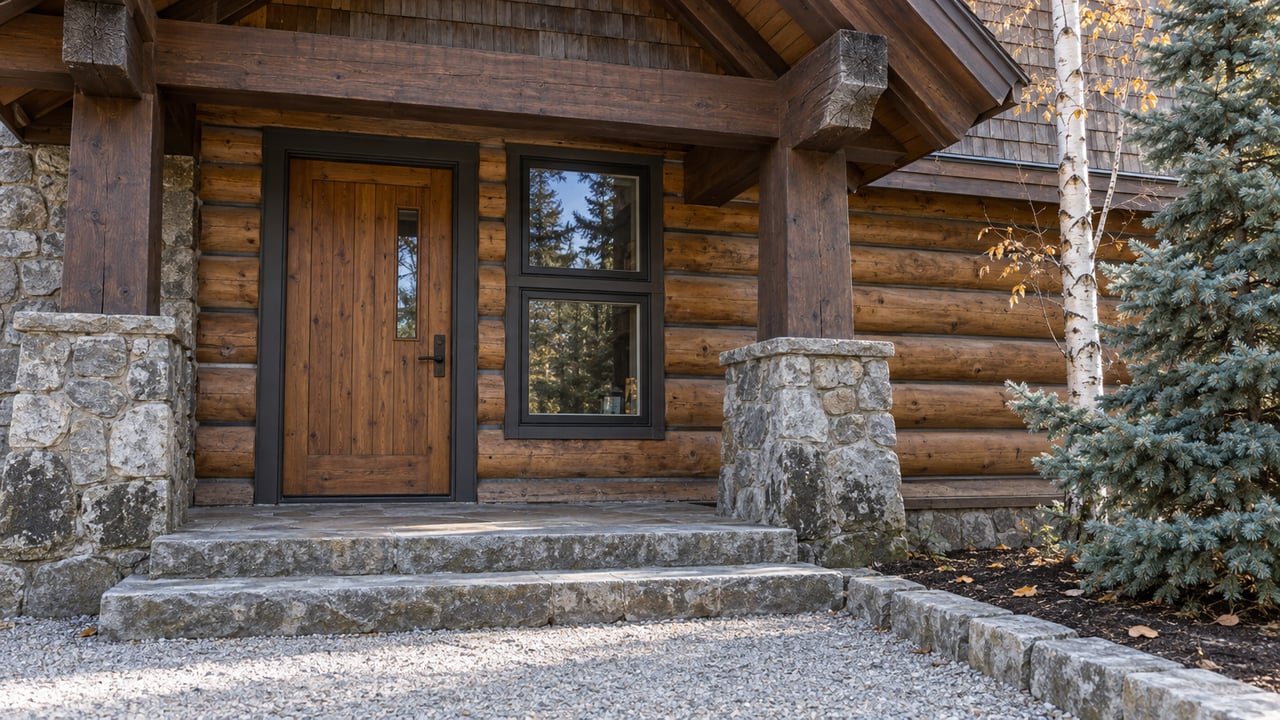
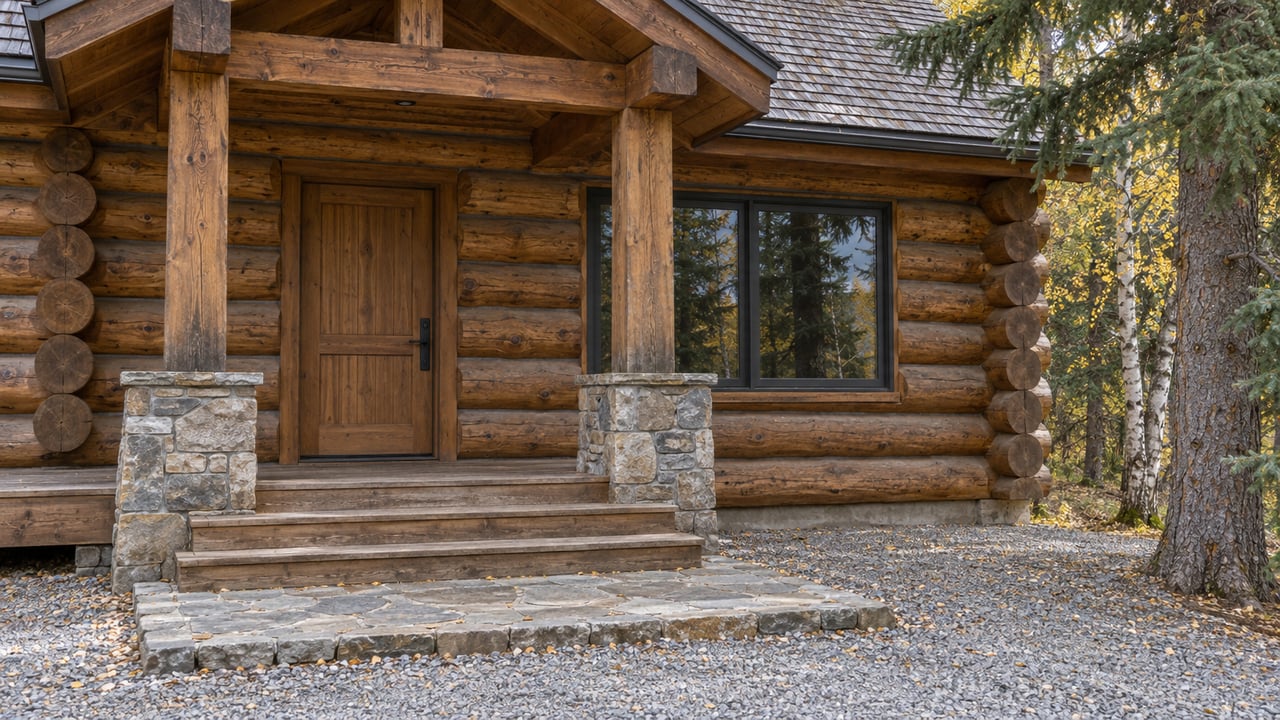
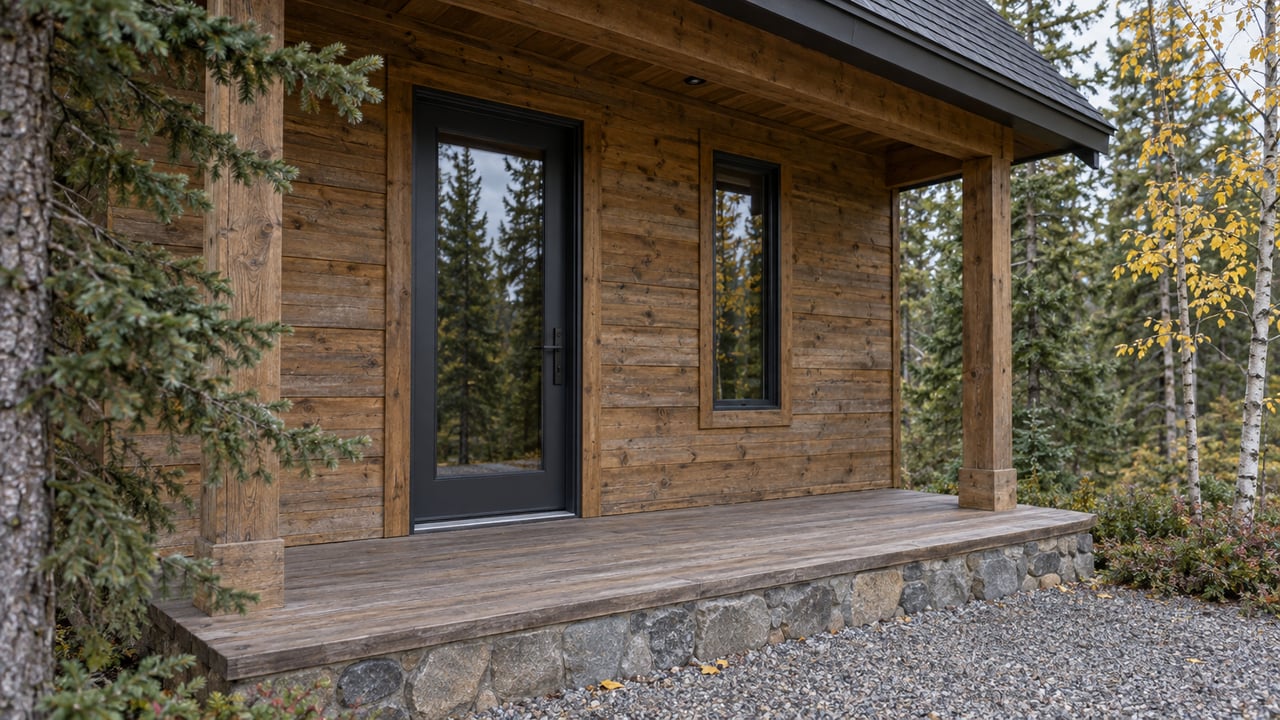
You will find larger-than-average lots and larger homes compared with many Anchorage neighborhoods. Single-family homes often land around 2,800 square feet, and many parcels stretch well beyond typical city lot sizes. Construction spans 1960s through 1990s originals, with a mix of remodeled homes, custom builds, and newer infill.
Features that add value
- Multi-car garages and workshops. Two to three car garages are common, and many homes include shop or hobby space. These features are sought after for vehicle storage, seasonal gear, and projects.
- RV, boat, and extra parking. Wider driveways and parking pads are frequent value-adds for Alaskans with toys to store.
- ADU potential. Some hillside homes include or can support an accessory dwelling unit, subject to permitting. Review Anchorage Title 21 before assuming rental or multigenerational options. You can read the Municipality’s rules in Chapter 5 of Title 21 in the Anchorage Municipal Code.
- Utilities and wastewater. While many properties are on city services, some rely on private septic systems and, in certain cases, private wells. Build septic and well inspections into your due diligence and budget for maintenance or upgrades. For an overview of Alaska onsite system licensing and installation requirements, review this neutral guide to septic rules in Alaska.
- Views and privacy. Elevation can deliver inlet or mountain views that command a premium. Wooded, larger lots provide privacy and a quiet setting, which many buyers prioritize.
Price bands for move-up buyers
These practical tiers reflect what you are likely to see in Mid-Hillside. Exact values shift with inventory and seasonality.
- Tier A: Affordable move-up, about 350,000 to 700,000. Expect 2 to 4 bedrooms, often under 3,000 square feet, with some homes needing cosmetic updates. Lots may be smaller for the neighborhood or more modestly improved.
- Tier B: Comfortable family move-up, about 700,000 to 1.1M. Many homes here offer 3,000 to 4,000 square feet, substantial remodels or newer builds, 2 to 3 car garages, and larger lots. This is the heart of the Mid-Hillside market.
- Tier C: Estate and premium hillside, about 1.1M to 2M+. You will find custom estates, premier view properties, acreage, high-end finishes, and potential ADUs or shops. These listings are less frequent and tend to be more property-specific.
Recent neighborhood sales have clustered from the mid-600s through the 900s, with standout properties moving higher. Addresses like Strutz Avenue and Sequoia Circle have illustrated the range, from mid-to-upper Tier B into the lower premium tier depending on size, upgrades, and parcel.
Your move-up strategy
Buying up while selling your current home is about sequencing, financing, and clean contract terms. Here are the common paths.
Pick your path: sell first, buy first, or go contingent
- Sell first, then buy. This gives you the strongest financial certainty because you have your proceeds in hand. Your next offer is cleaner without a sale contingency. You may need short-term housing or a rent-back to bridge dates.
- Buy first with bridge financing or a HELOC. This lets you take time to find the right Mid-Hillside property. You will need to qualify to carry two loans or secure a short-term bridge loan, which often has higher rates and closing costs. Compare costs and eligibility with your lender. For a clear primer, read this guide to bridge loans.
- Use a sale contingency with a kick-out clause. In a seller-leaning market, pure sale contingencies are less attractive. If you need one, pair it with strong terms and a kick-out clause so the seller can keep marketing the home while you work to remove your contingency.
- Leverage a rent-back. If you sell first, ask your buyer for a short rent-back so you can close on your Mid-Hillside purchase without moving twice. Here is a simple explainer on coordinating sell-and-buy timelines.
Timeline checklist
60 to 90 days before listing your current home:
- Get fully pre-approved and confirm how a bridge loan or HELOC would work if you buy first.
- Meet with a Hillside-experienced agent to map price bands and set alerts for Mid-Hillside inventory.
- Order a pre-listing inspection on your current home and gather contractor quotes for any high-impact repairs.
30 to 45 days before your target close:
- If selling first, list your home and begin active showings while you tour Mid-Hillside options. Consider offers that allow a rent-back.
- If buying first, finalize your bridge loan or HELOC terms and confirm closing timelines with your lender.
Contract stage:
- Align closing dates to limit overlap. Same-week closings reduce the chance of carrying two homes.
- Build buffer days between closings for funding and recording.
- Use earnest money, inspection windows, and kick-out language strategically, based on the property and competition.
Due diligence for hillside properties
- Septic and well inspections. If the property is not on city services, order septic and well checks, request maintenance records, and verify permits. Review neutral guidance on Alaska septic requirements and confirm local permitting steps.
- Slope, drainage, and driveway access. Hillside parcels can present drainage patterns, steeper driveways, or seasonal access considerations. Review local capital improvement priorities in the Mid-Hillside CIP summary and ask your inspector to flag site-specific issues.
- Roof, snow load, and heating. Evaluate roof condition, insulation, and heating system performance, especially for winter reliability. Heated driveways and snow-management plans are a plus on steeper sites.
- Title, easements, and utilities. Confirm access easements, right-of-way details, and utility service lines during title review.
- ADU feasibility. If an accessory unit matters to your plan, verify Anchorage’s permitting under Title 21 and check any HOA rules before assuming rental income. See the Municipality’s Title 21 resource.
How we help you move up with confidence
You deserve a smooth, well-sequenced move, not a stressful scramble. Our team pairs deep Anchorage knowledge with credentialed expertise and a calm, step-by-step approach. We set up targeted search alerts for Mid-Hillside, prep your current home for maximum market response, and structure timelines so you can buy confidently. With luxury marketing standards, relocation-grade coordination, and strong negotiation, we keep your plan on track from pre-approval to keys.
If you are considering a move into Mid-Hillside, let’s build your custom game plan and value your current home. Connect with Julie Erickson to get started.
FAQs
What should a move-up buyer budget for Mid-Hillside in Anchorage?
- Most buyers plan in tiers: about 350,000 to 700,000 for entry move-up, 700,000 to 1.1M for larger updated homes, and 1.1M to 2M+ for premium estates, with exact pricing set by size, condition, lot, and views.
How competitive is the Mid-Hillside market right now?
- Inventory is limited and seller-leaning, days on market can range roughly 40 to 80 depending on the month, and strong, well-priced listings often sell near asking with occasional multiple-offer activity.
Which inspections are most important for hillside homes?
- Prioritize septic and well (if present), slope and drainage, roof and snow load, heating system performance, driveway access, and full title and easement review before you remove contingencies.
Can I add an ADU to a Mid-Hillside property?
- Possibly, but you must verify Anchorage Title 21 requirements and permitting, plus any HOA rules, before relying on rental or multigenerational plans.
Do Mid-Hillside homes have city water and sewer?
- Some do, but many properties use private septic systems and, in certain cases, private wells, so confirm utility types early and budget for inspections and any upgrades.
How does a rent-back work when I sell first?
- You and your buyer agree to a short post-closing occupancy where you pay rent for a set period, giving you time to close on your Mid-Hillside purchase without moving twice.