"This closure provides space for bears to forage in an area where they naturally congregate seasonally."
That's the language Alaska State Parks and the BLM used last month to explain why one of the most walked trails behind the Eagle River Nature Center is off limits again this fall. It reads like a permit notice, not a birthday card, but it's landing in the same September the Nature Center is asking its neighbors to grab a pint and mark 30 years of running that stretch of the Chugach. Two clocks are ticking at Mile 12 of Eagle River Road right now. One counts salmon. The other counts decades. Only one of them checks a calendar, and this year it's running ahead of schedule.
Thirty Years at Mile 12
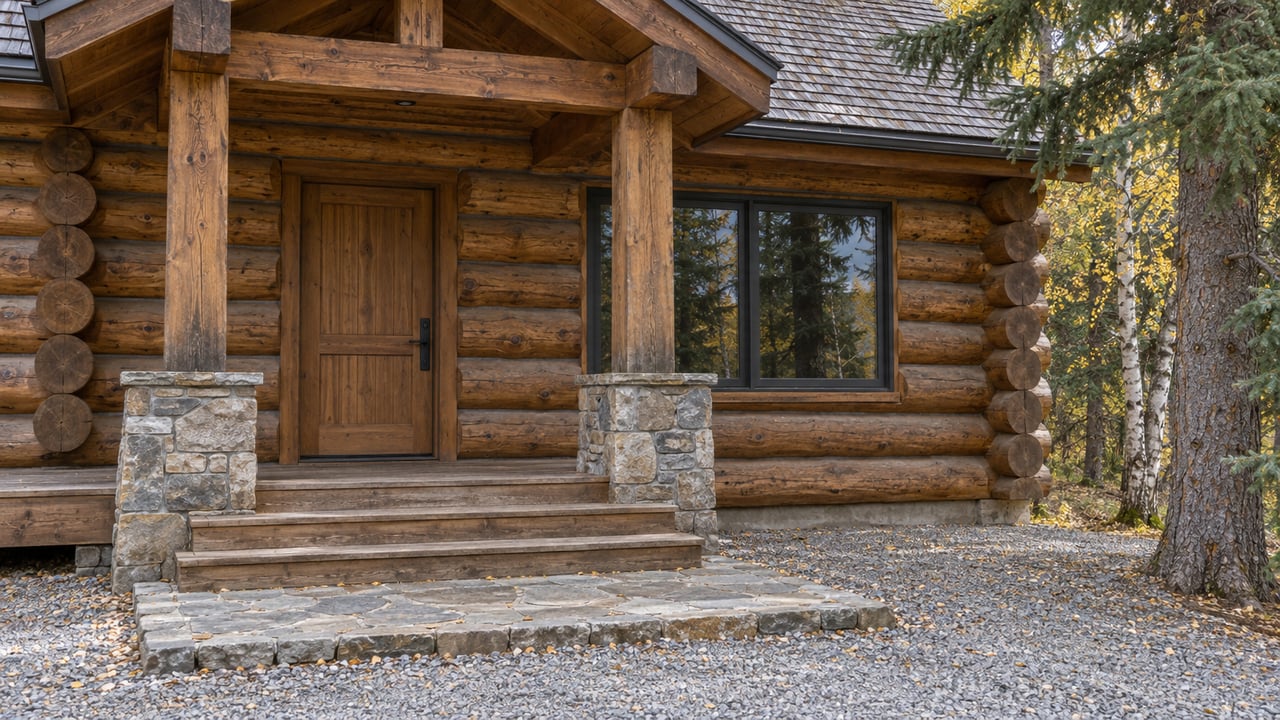
The Eagle River Nature Center opened in 1996, built and still run by a small nonprofit called the Friends of Eagle River Nature Center. The log cabin at the end of Eagle River Road has never been a state-run visitor center in the usual sense. It's grassroots, staffed by people who live here, and funded the way small nonprofits usually are: memberships, program fees, and the goodwill of people who've hiked the Rodak Loop enough times to want it to still be there in another 30 years.
That's the frame worth keeping as the anniversary event approaches. This isn't a state agency throwing itself a party. It's a community organization asking the community that's used its trails for three decades to show up and keep the lights on, literally and otherwise, for the yurts, the cabin, and the naturalist programs that have run every weekend since before most of the neighborhood's newer subdivisions existed.
Why the Albert Loop Is Closed Right Now
If you've lived in Eagle River more than a season, you already know the Albert Loop shuts down most falls. The Nature Center's own trail guidance is direct about it: the closure typically runs from late July through October, sometimes into November, enforced by Chugach State Park rangers, and it exists because that stretch of creek is where spawning salmon draw bears close enough to the trail that a hiker and a bear can round the same bend at the same time.
What's different this year is the volume behind it. In their statement last month, state and federal wildlife biologists said they'd counted more salmon in the creek than usual, which means more bears feeding in the same tight corridor the Albert Loop threads through. It's not a routine seasonal notice this time. It's a response to a heavier run than the trail crew was expecting, which is also why Anchorage Parks and Recreation issued the same caution more broadly across other area trails this August, including after a brown bear injured a well-known Alaska athlete on the Wolverine Bowl trail off the Prospect Heights trailhead, a separate system on the Anchorage hillside, not the Nature Center's own ground, but part of the same late-summer pattern of bears showing up in places people didn't expect them.
None of that makes Eagle River more dangerous than it was last September. It means the trail crew is reading the creek correctly and closing the one segment where that reading matters most.
What's Actually Open for a September Walk
The Albert Loop being closed doesn't mean the Nature Center is closed. The Rodak Nature Loop, the short self-guided trail that starts behind the main building, stays open, and this is actually the better trail for salmon viewing anyway. Alaska Department of Fish and Game notes the viewing platform along Rodak, reached at about four-tenths of a mile in, is one of the better spots in the area to watch red and silver salmon spawn, especially in August, and it's the only wheelchair-accessible trail on the property, hard-packed dirt the whole way rather than a boardwalk you'd need to detour around.
Here's how the trail system breaks down this month:
| Trail | Status this fall | What you'd see |
|---|---|---|
| Rodak Nature Loop | Open, under a mile, ADA accessible | Salmon viewing platform, moose and birdwatching, best early morning or evening |
| Albert Loop | Closed, typically late July through October or November | Off limits while bears feed on spawning salmon |
| Iditarod/Dew Mound | Open, longer routes toward Crow Pass | More remote, still bear country, less trafficked |
If your plan was an evening walk to actually see something, Rodak was probably already the better call. The closure just makes that clearer.
One detail locals sometimes miss: picking berries or mushrooms for personal use is allowed almost everywhere on Nature Center land, but not on the Rodak trail itself or the section of Albert Trail out to Four Corners. That stretch is kept picked-over free on purpose, so the naturalist programs have something to point to when they're teaching kids what a devil's club berry actually looks like.
The Party That Marks It
The anniversary event itself is set for September 19 at Odd Man Rush Brewing, on Mausel Street just off the Old Glenn Highway. It's the only brewery Eagle River has ever had of its own, opened in 2015 by three local homebrewers, and it's become the kind of taproom where you're as likely to run into someone straight off the Iditarod Trail as someone who just got off shift. The Nature Center is framing the night as a fundraiser, auction items and all, which tracks with how the organization has always operated: no state line item covers the trail crew's overtime or a new roof for the yurts, so the community covers it a pint at a time.
It's worth going for reasons beyond nostalgia. Thirty years of a nonprofit trail system staying open, staffed, and maintained without folding into a state agency or shutting its cabin rentals is not something every small operation like this manages. The event is as much a check-in on whether that model still works as it is a celebration.
What This Fall Actually Asks of You
None of this means treat the Nature Center differently than you would any other September. It means the same habits matter a little more this particular year. Check the trail condition board at the front of the building before you head out, since that's updated faster than any app. Carry bear spray if you're going past Rodak. Keep dogs leashed, which has always been the rule but is worth restating when the creek is busier than usual. And if you're meeting someone out there, tell them a plan in advance. The Nature Center doesn't have public WiFi, and cell service past the parking lot depends entirely on your carrier, which has caught more than one visitor off guard trying to call a ride home.
The parking fee is still five dollars a vehicle for 24 hours, cash or card at the station by the front door, no change given on cash. Small detail, but it's the kind of thing that saves you a second trip back to the car.
Eagle River's relationship to this stretch of the Chugach has never been about spectacle. It's a nonprofit-run trail system that's stayed open for three decades because enough neighbors kept showing up, whether that meant hiking the Rodak Loop on a Tuesday evening or buying a raffle ticket at a brewery on Mausel Street. This September, both parts of that relationship are happening in the same two weeks, which is a coincidence worth noticing rather than skipping past.
If you're weighing what a home near Eagle River's trail systems is actually worth in a market that keeps shifting week to week, Calling Alaska Home can walk you through it. Get Your Free Home Valuation and find out where your property stands today.